A large number of males undergo gynecomastia surgery. The hope to finally regain confidence and feel comfortable in their own bodies is the foundational goal of all. As the condition affects people of all ages, surgery is a chance to start again. However, the excitement of seeing results soon turns to worry as a person realizes that one side of the chest is larger than the other.
In truth, chest asymmetry after gynecomastia surgery is often a temporary condition and is more common than one can think. Healing may occur unevenly. Therefore, both sides of the chest may look different in size. In most cases, the imbalance gradually improves with time, and the chest develops its final shape.
Moreover, if you have chosen reliable expert care, like Professor Dr. Mustehsan Bashir from Cosmeticoplasty, you can relax. He is trusted by a large number of patients and is known for his precise technique and patient-focused approach.
The rest of this blog will highlight all crucial aspects of uneven chest size after gynecomastia surgery, including the ways to deal with it and to achieve desired outcomes.
Gynecomastia Surgery: A Summary
Males’ physique is associated with some specific features like toughness. For some reason, if a male person has large breasts on either one or both sides of his chest, it impacts his self-confidence and self-esteem. Many individuals first notice theearly signs of gynecomastia such as swelling or tenderness before considering treatment options.
Gynecomastia Surgery or Male Breast Reduction Surgery
It generally involves liposuction or removal of glandular tissues or a combination of both. Patients often find it helpful to understand the completegynecomastia Surgery Process before deciding on the procedure.
It aims at removing extra fat and glandular tissues from the chest area in order to achieve a flat, firm, and toned appearance. During the process, a cosmetic surgeon targets the underlying glandular tissues, which cannot be changed through diet or exercise. Although lifestyle improvements such as therole of diet and exercise In managing gynecomastia may help manage mild symptoms, surgery is often the most effective option for significant glandular enlargement.
In some cases, the surgeons can also work on the skin around the chest area. However, it all depends on the severity of the condition and the physiology of the patients. Doctors usually evaluate thegrades Of gynecomastiabefore recommending surgery. It is not an easy task, even forbest gynecomastia surgeons, to attain symmetry after the process. There is always some degree of asymmetry in our bodies, and it can be emphasized during the healing process.
Is It Normal For One Side to Look Bigger After Gynecomastia Surgery?
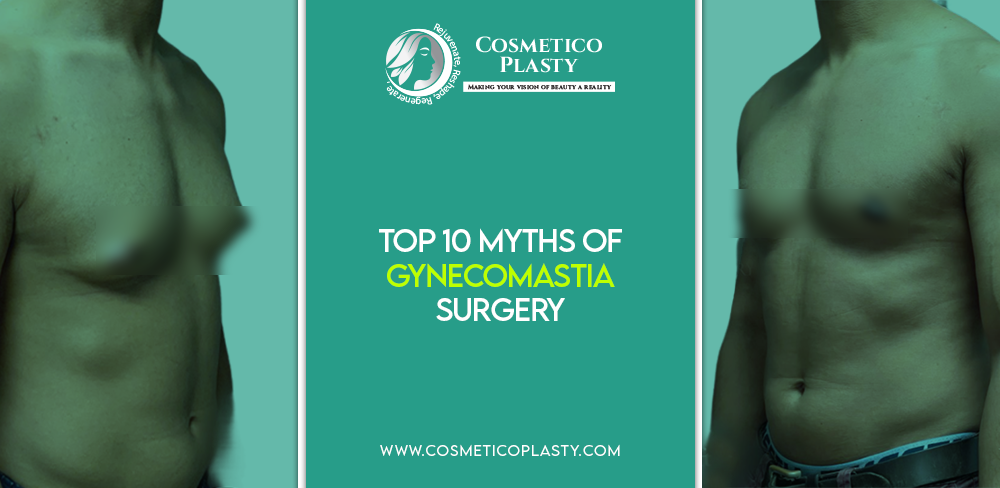
Though it’s very normal to worry about the results after having cosmetic surgery, patients may feel pleased to know that it is normal for one side of the chest to be larger than the other after gynecomastia surgery. Especially, within the first few weeks or months after surgery, if it happens, nothing is worrisome.
All surgeons agree that patients should wait a few months before assessing the results of their surgery. The body needs time to heal completely, after which the chest will take its final form.
Common Reasons One Side of The Chest Appears Bigger
Despite a one-sided bigger chest being a temporary condition, it is critical to have knowledge of possible reasons. It could help you choose the line of action ahead and prevent serious situations. Below is a brief description;
Post-Surgical Swelling
Swelling is one of the most common reasons for uneven chest appearance after surgery. During the surgery, tissue is removed from the body. As the body heals, it becomes inflamed as part of the healing process.
The swelling may not be even on both sides of the chest. One side of the chest may be more swollen and heal more slowly, thus being larger. The swelling will resolve within 4 to 8 weeks. However, some swelling will be present for several months.
Fluid Accumulation (Seroma)
When surgeons remove excess tissue from the chest, they leave a space there. If a fluid replaces this space, the condition is termed a seroma. It is a common complication that occurs after gynecomastia surgery. If this buildup is greater on one side of the chest area, it can cause that area to become swollen, soft, or larger than the other. In most cases, a small amount of seroma may go away by itself; however, a larger amount of fluid may require medical drainage.
Hematoma (Blood Collection)
When surgeons remove excess tissue from the chest, they leave a space there. If a fluid replaces this space, the condition is termed a seroma. It is a common complication that occurs after gynecomastia surgery. If this buildup is greater on one side of the chest area, it can cause that area to become swollen, soft, or larger than the other. In most cases, a small amount of seroma may go away by itself; however, a larger amount of fluid may require medical drainage.
Uneven Fat or Tissue Removal
While symmetry is the aim, it is sometimes difficult to take the same amount of fat and glandular tissue from each side. There may be small differences in the tissue that cause one side to look larger than the other after surgery. Small asymmetry is common in natural breasts and may become less noticeable as the swelling subsides.
Scar Tissue Formation
Scar tissues are thick fibrous tissues that replace the normal skin under certain conditions. They may develop in the chest as the body heals after surgery. If there are more scar tissues on one side, this can cause firmness or swelling that changes the appearance of the chest. The softening of these tissues is a gradual process that can take months.
Skin Retraction Differences
After gynecomastia surgery, the skin has to tighten up and match its new shape. Therefore, in some circumstances, one side tightens faster than the other. It can cause an appearance of one side being larger or more filled out.
Muscle Development or Posture
Analysis proves that chest asymmetry does not always have relevance to surgery. The following factors could be highly impactful;
Muscle development
posture
Daily activity
All can make one side of the chest appear larger. Case in point, people who frequently use one arm more than the other may naturally develop slightly uneven chest muscles.
How Long Does the Asymmetry Last?
Knowing about recovery timelines helps you be patient about the results. In common, it is as the following
First 2 weeks: Significant swelling and bruising
4 to 6 weeks: A noticeable decrease in swelling
3 months: A more defined Chest shape
6 to 12 months: The ultimate results can excite you
Tips to Reduce Post-Surgical Asymmetry
Stick to the post-operative care instructions
Wear compression garments
Following activity restrictions is a must
Proper posture prevents complications (Especially one sided swelling)
Stay in touch with your surgeons (Follow-Up Visits)
Wrapping Up
In conclusion, gynecomastia surgery is an effective and high-impact cosmetic treatment for men with enlarged breast tissue. It helps restore a firm and contoured masculine chest, making it one of the most sought-after male body contouring procedures. However, patients may feel concerned if they notice a difference in breast size after surgery, which can temporarily affect their expectations of the final results.
At this point, the only way to stay positive is to understand things on a real basis. Naturally, the human body heals in an uneven pattern. Therefore, both sides of the chest usually heal at different rates. Moreover, factors like skin retraction capacity, amount of tissues removed and muscle development are detrimental to the differences.
Medically Reviewed & Published By
Trusted medical content backed by academic expertise
This article has been reviewed and published by Professor Dr. Mustehsan Bashir, a renowned cosmetic and plastic surgeon with over 25 years of clinical and surgical experience.
Author of Research Methodology and Basic Biostatistics and a globally published researcher with 400+ academic citations, his work is featured on Google Scholar and leading peer-reviewed platforms.