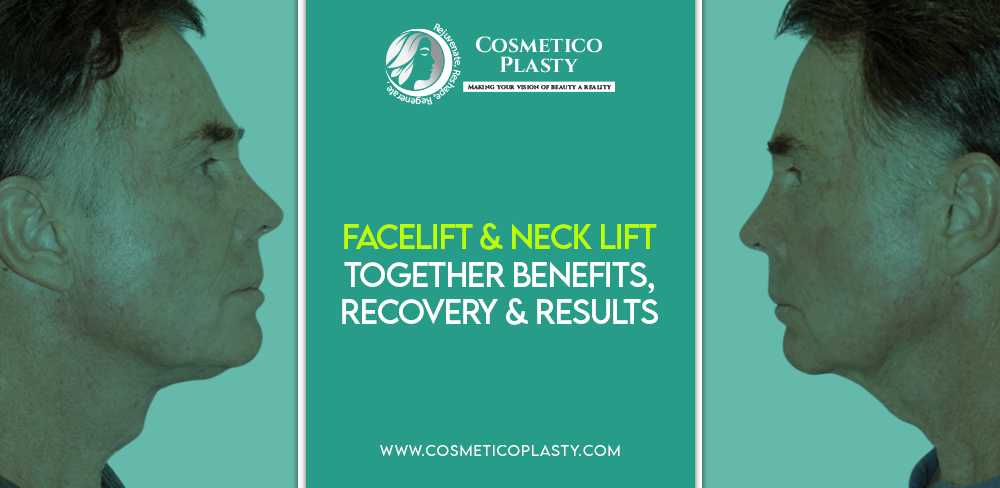
The desire to stop age and look younger is in hype among the modern generation. The face, being the first notable and sensitive part of the body, is the prime focus of the majority. That is why facelift surgery in Lahore has become one of the most effective cosmetic surgeries for restoring a youthful facial appearance.
A facelift can beautifully refresh your appearance, but your lifestyle plays an important role in how well you heal and how long your results last. Unhealthy habits like smoking and drinking can slow recovery and affect your outcomes. Making mindful choices before and after surgery helps ensure smoother healing and better results. So, everything you do or eat counts. But the impact of smoking and drinking is significant.
Prof. Dr. Mustehsan Bashir at Cosmeticoplasty is the go-to cosmetic surgeon in Lahore for the best natural-looking outcomes of a facelift due to his accuracy and skills. He ensures that all his patients receive individualized attention for maximum safety and aesthetic results.
However, the importance of understanding lifestyle choices still exists, even when in the hands of the best surgeon like Prof. Dr. Mustehsan Bashir. The remainder of this article will examine how smoking and drinking can ruin the wonderful outcomes of the procedure.
Smoking is one of the significant risk factors that can complicate any plastic surgery. Nicotine and other chemicals in cigarette smoke impair almost all phases of the healing process, from wound closure to tissue recovery. Hence, its impact on the results is very obvious.
The following details can explain the reasons why smokers cannot benefit from a facelift like non-smokers.
Impaired Blood Flow and Oxygenation
Without proper and timely wound healing, you cannot expect to have admirable facelift results. The rehabilitation primarily requires enough oxygen and nutrient supply to all tissues (facial). In a facelift, surgeons carefully tighten and realign the skin and tissues. Reduced blood flow can limit the skin flaps’ ability to survive.
Vasoconstriction is the term for the way nicotine (a basic component of cigarettes) narrows blood arteries. It hinders oxygen and essential nutrients from reaching tissues. Necrosis is another name for it, in which persistent unavailability of oxygen causes tissue death. The transport of oxygen is also hampered by the binding of carbon monoxide in cigarette smoke to haemoglobin in the blood.
All it does is make rehabilitation slower and more complicated. Hence, the overall effect compromises the final results.
Increased Risk of Complications
Smoking has a direct link with the risk of complications that can develop post-facelift surgery. Smokers are more susceptible to complications such as infection, hematoma (blood accumulation under the skin), seroma (fluid accumulation), and swelling or bruising.
Even relatively simple complications can result in odd outcomes or the need for additional corrective surgery. It has been observed that smokers have a higher incidence of wound separation and scarring compared to non-smokers, which can affect the success of the surgery.
Poor Skin Quality
The primary purpose of a facelift surgery is to minimize the effects of age. The impact of smoking is quite the opposite. It significantly accelerates the aging process. Toxins in tobacco harm the proteins that give the skin its strength and suppleness (collagen and elastin).
Because of this, the skin becomes weak, thin, and prone to sagging. Hence, attaining the smoothness and lasting outcomes of a facelift becomes difficult or impossible (in some cases). Therefore, smokers might anticipate a quicker failure rate from the makeover.
Receive An Advance Facelift Surgery: Visit Cosmeticoplasty
Restoring A Younger Look Is Practical, Even Being Safe: Meet Prof. Dr. Mustehsan Bashir
How Alcohol Consumption Affects The Outcomes of A Facelift
Although alcohol does not block vessels like nicotine, it still has its own negative effects on the outcome of facelift surgery. Drinking alcohol affects the body’s healing process and can have an indirect effect on the success of the surgery. Here is how;
Decreased Immune Response and Healing
Immunity is the capability of the human body to fight diseases. A person with a strong immune system remains safe from various infections and thus recovers soon. Alcohol significantly reduces this capacity.
A quick skin healing after a facelift supports its results. Drinking too much alcohol may interfere with this process and delay the healing time for the bruises and swelling. In some instances, the healing process may also lead to loose skin or noticeable scars, which may affect the outcome of the procedure.
Increased Bleeding Risk
Alcohol has a great effect on blood thickness. An alcoholic’s blood becomes thin, which may raise the risk of bleeding complications during and after the surgery. Hematomas may develop as a consequence of bleeding complications, which may alter the facial features by changing the facial contours.
Even moderate consumption of alcohol in the period leading to surgery may boost bruising and swelling. Thus, it may make the whole postoperative period uncomfortable.
Interference With Medication
Pain management after surgery may involve the use of drugs. Alcohol can interact with the efficacy of these medicines. While using alcohol, these drugs may not only worsen side effects but also hinder the healing process. Moreover, poor pain management can affect sleep and nutrition, which are vital for recovery.
Long-Term Skin Effects
Drinking alcohol causes dehydration of the skin and makes it lose elasticity. Even if the facelift procedure has yielded outstanding results, alcohol consumption can cause the skin to age prematurely, leading to wrinkles and sagging of the skin.
Combined Impact of Smoking and Drinking
Patients who both smoke and drink heavily are at an even greater risk. In combination, these habits reduce blood flow, cause poor healing, and thus compromise the results. For such individuals experiencing tissue death, infection, and scar formation is often the case.
These folks can also expect less-than-desirable results, and the life of the facelift will be shortened. In some cases, surgeons will even advise patients of other options or delay surgery until the patient changes their habits.
Strategies to Optimize Facelift Results
To bring any change needs effort. So it is true when you desire to have maximum output from a facelift. It demands changes in your lifestyle before and after surgery. These alterations can suppress the impact of smoking and drinking with additional health benefits.
Stop Smoking
Quitting smoking at least 4-6 weeks prior to surgery is a must. Also, try to avoid it afterward.
Taking help from Nicotine gum or counselling can make a difference
Limit Alcohol Intake
Avoid alcohol consumption at least 1-2 weeks prior to and after surgery.
Longer periods of abstinence may be necessary for heavy drinkers to heal as best they can.
Healthy Nutrition
Taking a diet high in protein, vitamins, and minerals helps in collagen production and healing.
Adequate fluid intake is necessary for skin elasticity and healing.
Follow Post-Operative Care Instructions
Strictly follow your surgeon’s advice regarding wound care and activity restrictions. Being regular in follow-up appointments can minimize complications and ensure optimal healing.
General Lifestyle Factors
Do exercise to improve circulation and overall health.
Try to manage stress and sleep well. It can help boost the immune system and aid in healing.
Final Thoughts
In the end, facelift surgery has revolutionized the ways in which a person can achieve a youthful facial appearance. With different types of facelift surgery available to address specific concerns, it is an impactful procedure for dealing with wrinkles, jowls, sagging skin, and much more.
However, the efficacy of the procedure or the surgeon’s competency is not all. Your habits are equally important in determining how your face heals and looks afterward. Among these, smoking and drinking need high consideration. Patients who are habitual smokers or consume alcohol frequently face numerous problems. Their healing is slower, they are more prone to infections, and therefore often experience less noticeable or short-lived surgical results.
Medically Reviewed & Published By
Trusted medical content backed by academic expertise
This article has been reviewed and published by Professor Dr. Mustehsan Bashir, a renowned cosmetic and plastic surgeon with over 25 years of clinical and surgical experience.
Author of Research Methodology and Basic Biostatistics and a globally published researcher with 400+ academic citations, his work is featured on Google Scholar and leading peer-reviewed platforms.