Rhinoplasty is one of the most transformative cosmetic procedures, helping refine facial balance and enhance confidence. While the aesthetic results can be remarkable, the recovery phase requires equal attention, especially when it comes to nasal congestion and allergies.
Patients undergoing Rhinoplasty in Lahore often experience temporary nasal blockage after surgery. Swelling of the internal tissues, healing of the nasal lining, and minor inflammation can all contribute to a feeling of congestion. In some cases, seasonal allergies or sensitivity to dust and environmental triggers may further intensify this discomfort during recovery. Although this phase is usually temporary, proper guidance is essential to ensure smooth healing and optimal results.
At Cosmeticoplasty, Prof. Dr. Mustehsan Bashir emphasizes careful post-operative care to help patients navigate recovery comfortably. With precise surgical techniques and structured follow-up support, he ensures that both the appearance and function of the nose are preserved. Choosing an experienced surgeon not only enhances aesthetic outcomes but also minimizes complications such as prolonged congestion or breathing difficulty.
In this article, we’ll explore why nasal congestion after rhinoplasty happens and how you can manage it effectively for a safe and comfortable recovery.
Awareness Regarding Nasal Congestion after Rhinoplasty.
Among the most anticipated and common side effects following rhinoplasty is nasal congestion. It occurs due to surgical injury, swelling and temporary changes of the nasal cavity.
What Is the Cause of Post-Rhinoplasty Congestion?
Nasal Tissue swelling
Surgery causes the inflammatory processes of the tissues and blocks passages.
Internal splints and packing
These support structures contain bleeding, although they temporarily prevent airflow.
Blood clots and crusting
The healing tissues secrete mucus and scabs that may obstruct breathing.
Dynamics of airflow
Structural changes can have a temporary effect on the airflow dynamics in the nose.
This congestion is normally temporary, and within the first few weeks, it will reduce significantly as tissues close and calming.
Effects of Allergies on Rhinoplasty Recovery
The allergic rhinitis, seasonal allergies, and environmental sensitivities might make healing complicated unless addressed appropriately. During this period, the nasal tissues are unusually sensitive, and inflammation can be aggravated by allergic reactions. It is also important to monitor for signs of infection after rhinoplasty surgery to ensure prompt intervention and safe recovery.
Effects of allergies may lead to multiple complications, which may arise in the future. Such as:
More swelling and redness.
Excessive mucus production
Feeling of constant itch and irritation.
Raised nasal pressure, continuous sneezing.
Delayed pain relief and chronic pain.
Although allergies do not generally ruin the result of rhinoplasty, failure to control the symptoms can slow down the healing process and reduce the level of comfort.
The surgeon will provide adequate post surgery guidelines like medications, nasal care practices, and physical exercise restrictions. The instructions focus on the management of swelling, complications prevention, and correct healing.
Use Saline Nasal Irrigation:
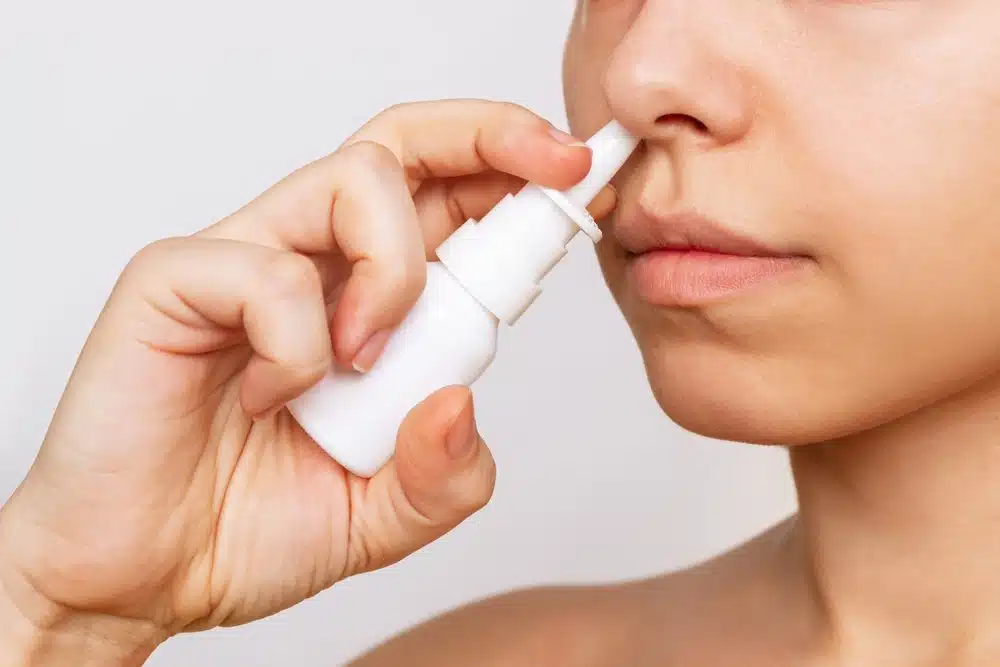
Saline sprays or rinses are one of the least risky modes of decongestion. They keep nostrils moist, reduce crusting and blow out allergens and debris, without irritating the healing tissue.
Keep Your Head Elevated:
To reduce swelling and increase mucus drainage, sleeping with your head works well. During the recovery, an adjustable bed or two to three pillows must be used.
Maintain Proper Hydration:
Consumption of lots of fluids is significant in order to dilute the excretions of mucus, and then your body can easily unclog the nasal cavity.
Avoid Nose Blowing:
Ruddy nose blowing can tear sutures, can make them bleed, or can dislodge grafts. Rather, wipe the nostrils using a soft tissue.
Enhance Your Profile with Expert Rhinoplasty Care
Advanced, Precision-Based Rhinoplasty Performed By Prof. Dr. Mustehsan Bashir
The antihistamines prescribed by your surgeon can prevent allergic symptoms. Never take any medication without consulting a doctor because there are drugs that can cause one to bleed or disrupt healing.
Avoid Common Allergens
Eliminate or reduce pollution, dust mite, pet dander, mold and smoke. One of the fundamental tips is closing windows when pollen is high and using air purifiers.
Assessment Before Surgery
Wash the bedding regularly.
Vacuum your carpets and upholstery frequently.
Use allergy-free sheets and pillowcases.
Do not bring pets into the bedroom during the process of recovering.
Safe Sneezing Techniques
When you are sneezing, you should open your mouth wide so that the pressure does not accumulate inside your nasal passages. This is a very simple trick that assists in the safeguarding of tender tissues.
The Safety of Nasal Sprays After Rhinoplasty
Steroid nasal sprays may help in the reduction of inflammation and allergy. But their application during post-rhinoplasty procedures should be well moderated.
Key Considerations
Any steroid sprays should be used only with approval from your surgeon.
It should not be used excessively because it may lead to drying and irritation of healing tissues.
Strictly Follow Dosage and Duration Schedules
These sprays are usually introduced only following the first healing period and not right away after surgery.
Lifestyle Advice To Help Lessen Congestion and Allergies
Simple daily habits can significantly reduce nasal congestion and support faster healing after rhinoplasty. Following these tips helps protect your nose and manage allergies effectively.
Prevent Smoking and Secondhand Smoke.
Smoking causes irritation of tissues in the nose, inflammation and also delays healing.
Do not be exposed in the course of recovery.
Limit Physical Activity
The severe exercise elevates blood pressure and edema, which may aggravate the congestion. Strict adherence to the activity restrictions of your surgeon.
Keep A Check On Your Diet
A diet that is rich in vitamins, minerals and anti-inflammatory nutrients can assist you in healing more quickly than expected.
Don’t Forget To Use A Humidifier
Air often may cause irritation to the nasal tissues and make the congestion even worse. Thus, it is suggested to use a good humidifier.
When To Call Your Surgeon?
The allergies and nasal congestion after rhinoplasty are normal, yet some warning symptoms need urgent medical care:
Constant or increasing swelling.
Fever or chills
Foul nasal discharge.
Excessive bleeding
Painful breathing with neither improvement nor relief.
Early intervention means that the complications are solved before they become overwhelming.
Long Term Measures for Allergy Prone Patients
Plan Surgery Beforehand
Where feasible, consider scheduling rhinoplasty when there is no peak allergy period (i.e., spring or fall) to help minimize post-operative pain.
Proceed with Preventive Allergy Treatments
The long-term protection of nasal health is provided by continuous allergies treatment with antihistamines, immunotherapy, or lifestyle modification.
Visit and Follow-Up Regularly
The purpose of post-surgical visits is to provide your surgeon with a chance to assess the recovery process, eliminate crusts, and solve allergy-related issues in time.
Why Cosmeticoplasty is the Best Choice for Rhinoplasty?
Wondering Is Rhinoplasty Right For You? At Cosmeticoplasty, we provide expert guidance to help you decide and ensure personalized, safe, and natural-looking results.
Professional Master Surgeon with Artistic Accuracy
We have one of the most skilled board-certified surgeons, Prof. Dr. Mustehsan Bashir, who is able to combine both high medical skills with a sense of artistry to achieve natural and harmonious results.
Individualized Treatment Plans
Every nose is unique. We provide tailor-made surgical proposals in accordance with face structures, functional requirements, and appearance targets.
Full course of Post-Operative Care
Our expert surgeon and his team support you during the healing process with detailed methods of recovery instructions, continuous follow-ups and allergy management advice.
Emerging Technology of Quicker Recovery
The procedures we use are the contemporary surgical methods that are intended to reduce the swelling, shorten the recovery period and enhance breathing results.
Patient‑Centered Experience
Your safety and comfort are our number one priority. Our team is focused on delivering a satisfying and smooth journey between consultation and the ultimate outcomes.
Conclusion
Plastic surgery can give a new look, and your life can be better; however, in order to have the most successful result, it is necessary to recover well. Whether you are considering Surgical vs. Non-Surgical Rhinoplasty, proper management of allergies and nasal congestion is essential to secure your outcome and heal without complications.
Book a consultation with Prof. Dr. Mustehsan Bashir at Cosmeticoplasty now and learn how our professional cosmetic surgeon could assist you to get perfectly balanced, practical and natural-looking outcomes with great attention to all the steps taken.
Medically Reviewed & Published By
Trusted medical content backed by academic expertise
This article has been reviewed and published by Professor Dr. Mustehsan Bashir, a renowned cosmetic and plastic surgeon with over 25 years of clinical and surgical experience.
Author of Research Methodology and Basic Biostatistics and a globally published researcher with 400+ academic citations, his work is featured on Google Scholar and leading peer-reviewed platforms.