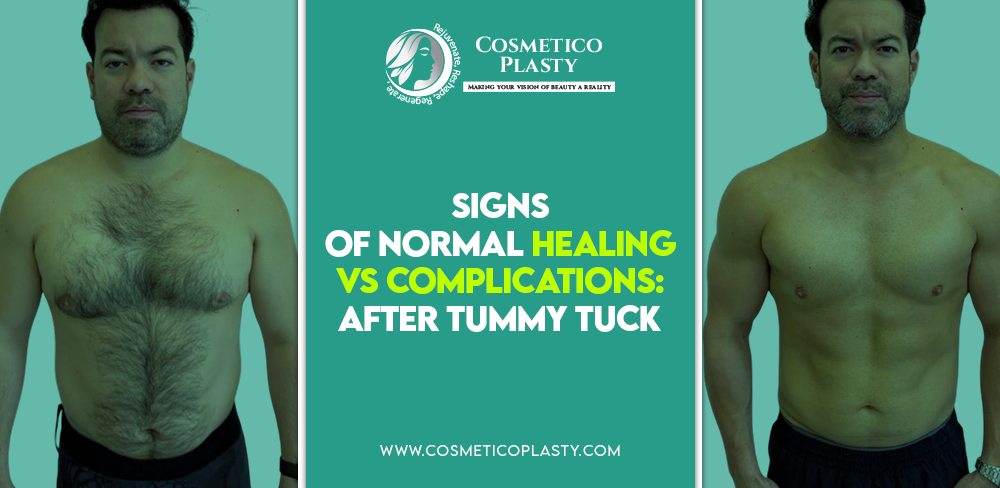
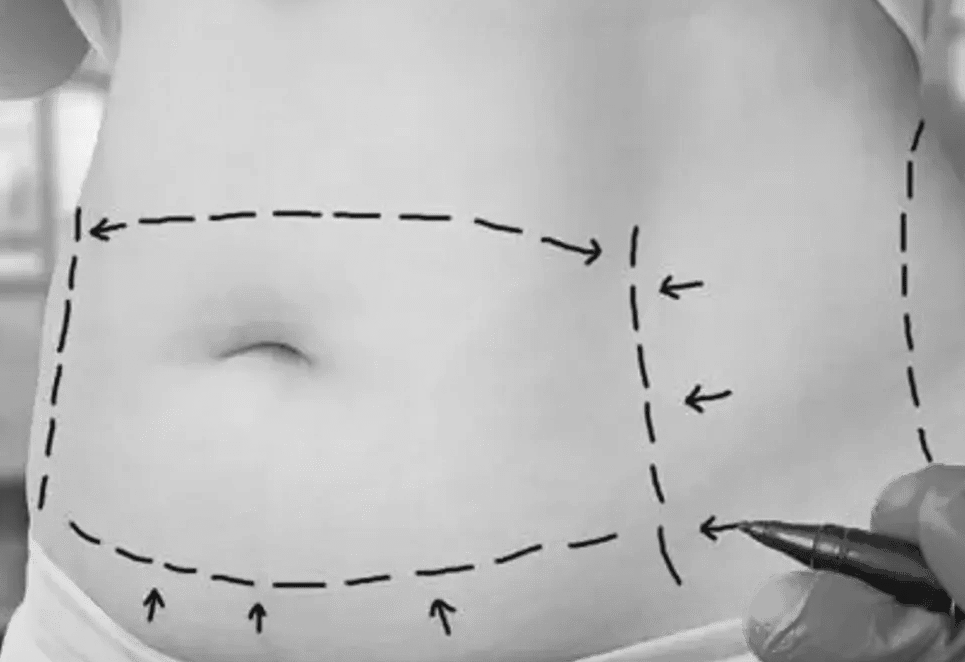
Presently, among numerous cosmetic procedures, a tummy tuck, or abdominoplasty, holds a specific position. During the procedure, surgeons remove excess skin and fat from the abdomen while tightening weakened abdominal muscles. It may transform your life irrespective of the reason behind it, whether it is after losing weight, giving birth, or just for a tighter abdomen. However, like all other surgeries, recovery is an essential part of the journey.
With the excitement of having a more toned and sculpted tummy, the next question that comes to mind is: “Am I recovering well from the surgery?” It is common to experience any type of pain, bruising, or swelling. However, it is difficult to conclude that all things are going normally or that it is a point for concern.
Dedicated surgeons like Prof. Dr. Mustehsan Bashir at Cosmeticoplastydo not forget to educate their patients about the signs of a normal recovery process. Through his individualized and advanced treatment plans chances of complications are already minimized. In addition, the ongoing professional guidance works perfectly. This blog is all about normal healing and complications after a tummy tuck to help you recover safely and enjoy the pleasing outcomes.
Understanding Recovery From Tummy Tuck
Recovery after any surgical procedure occurs in stages. Patients undergoing a tummy tuck in Lahore can generally expect the initial healing phase to last two to four weeks, during which the body focuses on tissue repair. During this time, swelling gradually subsides, and the surgical incisions begin to heal. Most patients can resume light daily activities within two to four weeks, although complete healing and final results may take several months.
As a matter of fact, recovering from the procedure is individualized. Things that can make a difference are;
Age of the person,
Patient’s overall health,
How well patients follow the post-surgery guidelines
In addition to all, it is also critical to note that the tummy tuck type is of immense significance.
Mini tummy tuck surgery only removes tissues in the lower abdomen; thus, the process of healing is comparatively shorter.
In full or extended tummy tuck surgery, the removal of larger amounts of tissues occur. Hence, recovery time also extends accordingly.
Understanding the stages of recovery helps avoid unnecessary stress and can help recognize any potential problems.
Visit Cosmeticoplasty To Receive A Tummy Tuck That Will Make You Feel Like Yourself Again.
Meet Prof. Dr. Mustehsan Bashir for Personalized Surgical Care With Natural-Looking Results.
Feeling concerned about certain changes after surgery is completely normal. However, knowing what to expect during recovery, including the diet after a tummy tuck, can reduce anxiety, support healing, and help you achieve better outcomes. It is also important to understand the signs of infection after tummy tuck surgery so you can recognize when healing is progressing normally and when medical attention may be needed. Here is a brief overview of what a normal recovery typically looks like.
Mild to Moderate Swelling
After a surgical procedure, swelling is very predictable. In abdominoplasty, it is caused by inflammation, which is directly associated with the wound healing. In the first few weeks after the procedure, it is normal for patients to experience maximum swelling. Although it will subside with time, some swelling may remain for a few months until the final results appear. The primary thing to remember is that normal swelling reduces over time rather than increasing.
Tightness and Pulling Sensations
A tummy tuck is all about making your tummy firmer and more youthful. Therefore, feeling a tight sensation in the abdomen, particularly while standing upright, is a common experience of patients. But this is a natural response to tissue reconstruction and skin tightening. As the tissue heals and relaxes, the sensation gets better. Gentle exercise and adherence to the doctor’s guidelines can decrease the issue.
Bruising Around the Abdomen
Bruising is likely to occur at the surgical site and the surrounding area. It is due to the disruption of small blood vessels. The bruise may be dark purple, blue, or yellow as it heals. It normally takes two to four weeks to fade away.
Scar Formation
Scarring is part of any tummy tuck procedure. Initially, scars may be pinkish or red and appear puffy. Over time, they usually get smaller and lighter in color. Nevertheless, scar care must be a priority.
Temporary Numbness
Numbness in the lower abdomen and the site of incision is also included in the list of common symptoms. Nerves in the region may get damaged during surgery. In most instances, sensations will return after a few months. Some patients also feel tingling sensations during nerve regeneration.
Drainage from Surgical Drains
The majority of tummy tuck patients have drainage tubes after their surgery to help eliminate any extra fluids that could cause swelling. In the beginning stages of your recovery process, you can expect a little bit of blood-stained or clear fluid to come from your drain.
Mild Pain and Discomfort
Expecting surgery with no pain is impractical. In the same way, it is unavoidable after a tummy tuck. Most individuals feel pain, tenderness, and discomfort within the first week after surgery. But in normal conditions, pain should be easily controllable through the use of medicines and should reduce progressively. Still, it may go on for weeks afterward.
Warning Signs of Potential Complications After Tummy Tuck
No one desires to face anything more after undergoing surgery. In the case of a tummy tuck, most patients heal without major issues; however, complications can occasionally occur. Recognizing their symptoms early can help prevent serious health concerns. Some notable things in this regard are as following.
Increasing Redness Around the Incision
Reddish skin around the incisions is not a matter of worry. It is common. In any case, if the redness worsens, spreads, or comes with a sensation of heat, it can mean an infection. Moreover, instead of subsiding, if it is increasing, it is a red flag. Patients should mention it to their surgeon as early as possible.
Severe or Worsening Pain
A gradually improving pain is a sign of normal healing. Sudden, intense, or worsening pain can signal a complication such as infection, fluid buildup, or tissue problems. Hence, it deserves medical evaluation.
Fever and Chills
Postoperative low fever is common, but a continuous fever that exceeds the recommended limit of your surgeon is an indication of infection. Fever with shivers, tiredness, or increased problems with the incision wound must never be taken lightly.
Unusual Drainage from the Incision
Normal drainage is either clear or has a tinge of blood. If there is thick, yellow, green, or malodorous drainage, there might be an infection. Excessive drainage or fluid draining from the incision site needs a professional medical check.
Excessive or uneven Swelling
While general swelling is expected, significant swelling that occurs suddenly or appears only on one side may suggest a fluid collection. If patients notice a bulge, firmness, or asymmetry that was not previously present, take it on a serious note.
Persistent Fluid Buildup (Seroma)
Accumulation of fluid under specific skin areas is a seroma. In contrast, small cases might clear up on their own. However, the larger ones need medical attention.
Symptoms can include:
Visible swelling
A feeling of fluid movement
Abdominal fullness
Localized discomfort
Opening of the Incision (Wound Separation)
The cuts need to slowly heal and tighten up. In case there is some portion that starts to split apart, fails to heal properly, or opens up, it is essential to get a doctor’s opinion.
Signs of Blood Clots
Even in the presence of minor complications after a tummy tuck, the formation of Blood clots is uncommon. Therefore, consider it a medical emergency if you experience:
Chest pain
Difficulty breathing
Significant leg swelling
Calf pain or tenderness
Symptoms
Males suffering from gynecomastia could develop:
Enlarged breast tissue
Swollen nipples
Tender chest
Tender area around the nipples
Hard tissue under the areola
Disproportionate chest
Certain patients may have psychological problems owing to their feelings of embarrassment or low self-confidence.
Being reluctant to contact your surgeon can increase the risk of medical emergencies. Therefore, reach out to your surgical team if something feels unusual. Some instances are;
Increasing redness or warmth
Persistent fever
Excessive swelling
Severe pain
Foul-smelling drainage
Incision separation
Shortness of breath
Chest pain.
Conclusion
In summary, patients place tummy tuck surgery at a high rank due to its efficacy in delivering a firmer, contoured and sculpted abdomen. Yet, what happens in the operating room is not the endpoint of your efforts. Recovery is a major determinant of what you will ultimately get from the procedure.
Hence, having a proper knowledge of signs of normal healing vs complications after tummy tuck is of immense significance. Mild to moderate swelling, bruising, tightness, and temporary numbness are normal parts of the healing process after abdominoplasty. However, symptoms such as worsening pain, fever, unusual discharge from the incision site, or excessive swelling should be reported to your surgeon promptly, as they may indicate a complication requiring medical attention.
Under the care of Prof. Dr. Mustehsan Bashir, patients benefit from advanced surgical techniques, detailed postoperative guidance, and close follow-up care, all of which help minimize the risk of complications. In addition, patients receive expert advice on the tummy tuck medical benefits, ensuring they understand both the aesthetic and functional improvements that the procedure can provide. By following postoperative instructions carefully and remaining attentive to their body’s signals, patients can achieve a smoother recovery and enjoy the full aesthetic and functional benefits of abdominoplasty.
Medically Reviewed & Published By
Trusted medical content backed by academic expertise
This article has been reviewed and published by Professor Dr. Mustehsan Bashir, a renowned cosmetic and plastic surgeon with over 25 years of clinical and surgical experience.
Author of Research Methodology and Basic Biostatistics and a globally published researcher with 400+ academic citations, his work is featured on Google Scholar and leading peer-reviewed platforms.