Every person’s experience with cosmetic surgery is different. This is especially true for a nose job or rhinoplasty surgery, where the way you recover directly affects your final results. A good recovery doesn’t just happen at the hospital; it starts the moment you settle into bed at home.
The decision to undergo Rhinoplasty or Septoplasty surgery is a crucial move towards addressing breathing problems, nasal defects, or cosmetic issues. Out of all postoperative advice, sleeping posture and practice have some of the most significant impacts. It is directly linked with the recovery process.
Sleeping in the right way helps in minimizing swelling and pain while also safeguarding the nose from any pressure or injury at its weakest state. Prof. Dr. Mustehsan Bashiris one of the experienced and highly skilled surgeons who not only perform the procedure expertly but also ensure patients follow the necessary precautions for the best outcomes.
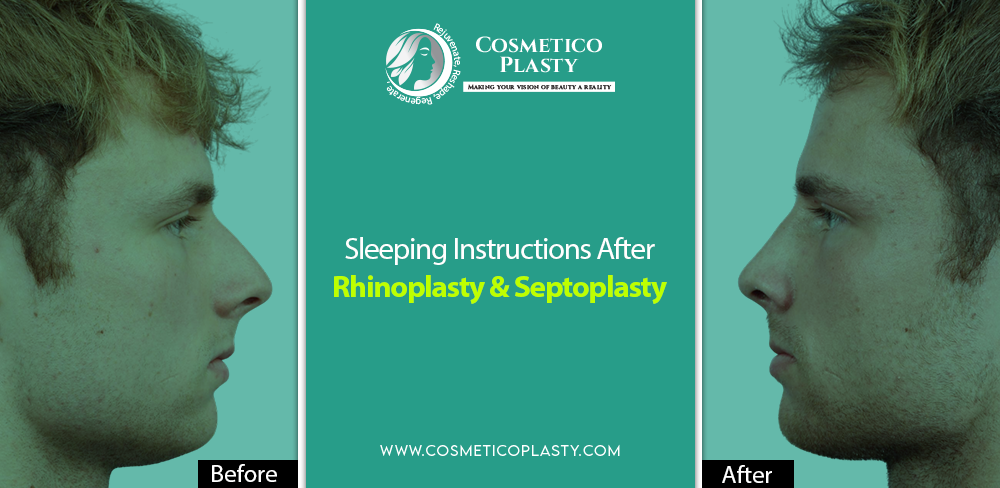
This article outlines significant sleeping instructions after rhinoplasty and septoplasty, why it matters, and how long these precautions should be followed.
Why Does Sleeping Position Matters After a Nose Job?
Deciding to have surgery could not happen for ordinary reasons. Everybody undergoing rhinoplasty or septoplasty comes with functional or cosmetic issues that are causing severe disturbance. Therefore, achieving desired results is the main focus for all.
In this context, recovery is foundational. Here, the sleeping position enters. In the case of rhinoplasty and septoplasty, the nose swells and becomes very sensitive because of the ongoing healing process. The bone and cartilage may have undergone some changes for aesthetic and physiological reasons, but at this point, it is important to maintain stability.
How you sleep affects your blood flow and where fluids settle in your body. If you lie flat or on your side after a nose job, it can increase swelling, cause bleeding, or even move the nasal structures out of place. This can slow down your healing and negatively affect your final look.
Every patient looks forward to a quicker and smoother recovery and the best outcomes from any cosmetic procedure. The goal is achievable and requires adherence to some of the specific instructions from the surgeon. And the sleeping instructions after rhinoplasty or septoplasty is the one from them. Below are some impacts of your sleeping posture after the surgery;
Sleeping on Your Back
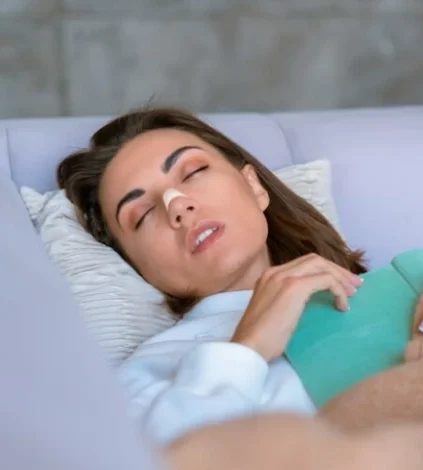
The optimal sleeping position after a nose job is sleeping on the back. In this position, the nose remains pressure-free. It will avoid any disturbance to the surgical area. Furthermore, sleeping in this position will assist in maintaining symmetry in terms of healing which is the primary requirement.
The folks who are not back sleepers in routine may find it hard. Yet, it’s not something that they could ignore. Improvements that come with this sleeping position pay back to your efforts. The use of pillows can make it even more convenient and viable.
Head Elevation
Elevation is an essential aspect in caring for oneself after a nose job. One needs to elevate their head when they rest at an angle of 30 degrees to 45 degrees. This is possible by using two or three pillows or the wedge pillows specifically made for elevating oneself after surgery.
Head elevation will helpminimize the swelling because no fluid can accumulate under the facial tissues. Furthermore, it prevents the throbbing feeling and improves the comfort level. Hence, for much of the time, keeping your head above your body level is crucial during the first week after surgery, even if one takes small naps. After surgery, some people prefer to sleep in a reclining chair. It greatly helps to naturally keep the body inclined and prevent rolling over.
Sleeping on Your side or Stomach is Risky
While there are numerous benefits of back sleeping, there are some risks associated with lying on the side or stomach. Such body positions create uneven pressure on the nose. This, in turn, might affect the shape and positioning of the nose. In addition, lying on the side is likely to lead to swelling in one part of the face, making healing uneven.
Hence, it is especially dangerous to sleep on your stomach as this posture creates pressure on the nose and face. It does not really matter whether you feel like you can maintain your position throughout the night or not. It is safer to refrain from such a posture until your surgeon permits you.
Taking Pillow Support
The use of pillows can greatly assist in ensuring that one remains in the ideal sleeping position. For this purpose, placing pillows on one or both sides helps to avoid moving over while asleep. Some individuals make use of a “pillow barrier” or a travel pillow for the neck to maintain head elevation.
Moreover, a wedge pillow is very advantageous. It provides consistent elevation without having to pile several pillows up. This ensures that one avoids slipping into a poor position. Additionally, a pillow can be placed under one’s knees when lying on one’s back. It keeps your lower back pressure-free and allows you to carry in ideal positions.
Discomfort Management During Sleep
Discomfort is complementary to surgery. It is usual to feel some congestion and trouble sleeping following a nose job. Post surgical nasal packing or splints can make breathing through the nose harder. Thus, you have to breathe from the mouth, making your mouth dry.
To make yourself feel comfortable, you need to use a humidifier when you are sleeping. This will make your nose and throat moist. In addition, drinking water in sufficient amounts will assist you in having quality sleep. The medications that your doctor will prescribe after the surgery control pain and swelling.
How Long Should the Sleeping Precautions be Followed?
Surgical experts advise that proper sleeping postures should be observed for at least two weeks after the surgery. However, this time frame can vary depending on the complexity of surgery and the natural tendency of your body to heal. The swelling could take weeks to disappear completely.
Moreover, small changes in the structure of the nose may go on for even months after the surgery. You could begin to practice your regular sleeping pattern after initial recovery from surgery. But it remains best to follow all the sleeping instructions after rhinoplasty till your surgeon declares that it’s time for the final results.
Conclusion
In conclusion, a nose job is an impactful procedure that can address cosmetic and functional issues of the nose simultaneously. However, leaving the operating room is not the end. The end results depend on how your rehabilitation goes.
In this regard, sleeping instructions after rhinoplasty and septoplasty hold immense significance. Among these, sleeping on your back and elevating your head while ensuring no pressure on your nose area comes high on the list. It will help minimize swelling, improve your breathing and achieve maximum recovery.
Although such a sleeping regimen may be challenging at first, it will only be necessary during your short recovery time after rhinoplasty. Patients under the direction of compassionate surgeons like Prof. Dr. Mustehsan Bashir atCosmeticoplasty find it all convenient. It is so because he not only performs procedures with high precision but also prepares patients emotionally to follow the instructions. Hence, to achieve optimal results from the surgical procedures, you have to be in expert hands and follow the guidelines patiently.
Medically Reviewed & Published By
Trusted medical content backed by academic expertise
This article has been reviewed and published by Professor Dr. Mustehsan Bashir, a renowned cosmetic and plastic surgeon with over 25 years of clinical and surgical experience.
Author of Research Methodology and Basic Biostatistics and a globally published researcher with 400+ academic citations, his work is featured on Google Scholar and leading peer-reviewed platforms.