Awakening after rhinoplasty surgery with a splint, an aching face, and tight nasal packing makes one very vulnerable and anxious. While looking at themselves in the mirror, patients see swollen areas and bruises. Recovery after surgery doesn’t need to turn into a mystery for patients.
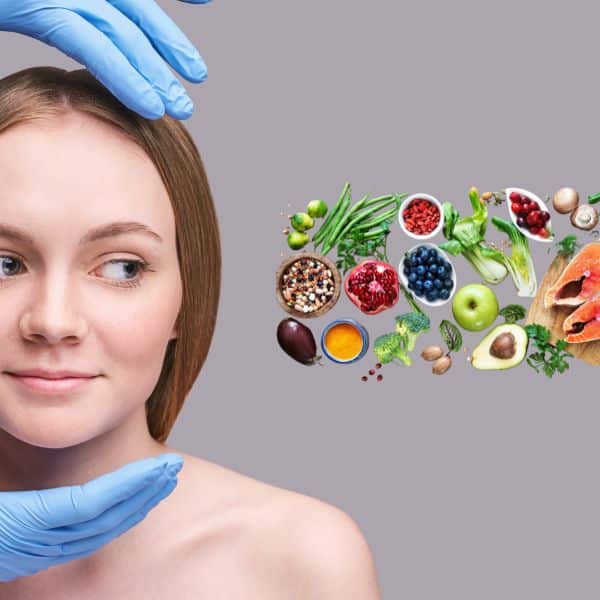
It takes time, but there is something very natural that can speed up the recovery process. The food eaten daily can help reduce swelling, regenerate delicate capillaries, and recover the nose quickly. The exact knowledge of what to eat after rhinoplasty surgery is the beginning of faster healing.
For patients seeking this transformative balance, undergoing rhinoplasty surgery with a specialist like Professor Dr. Mustehsan Bashir renowned for refining contours and smoothing nasal bridges at Cosmeticoplasty in Lahore is only the first step. The aftercare done by the patient every day is what brings those surgical results to life.
While a board-certified surgeon performs all the structural changes in the operating room, the human body does the work of regenerating the cells outside of the operating room. Each sip of broth and each piece of fresh fruit provides the building blocks of the body needed for the healing process.
Connection Between Nutrition and Nasal Healing
The surgery involves adjustment to tiny amounts of cartilage, soft tissues, skin folds, and very small blood vessels. So, the immune system floods the midface with fluid and inflammatory chemicals.
That’s what causes the swelling, puffiness, and heavy, drained feeling across the face. With less food intake and, therefore, less fuel for metabolism, the body’s healing process can slow down. As a result, puffiness may persist for longer, incision lines may take additional time to heal, and energy levels can drop due to the effects of medications and anesthesia.
Taking steps to manage uneven swelling after rhinoplasty can promote a more comfortable recovery and help the face gradually return to its normal appearance. But proper nutrition becomes the internal treatment for the body, because proper selection of anti-inflammatory micronutrients, proteins, and electrolytes will help reduce puffiness and help collagen heal the incision lines inside the nose.
Smooth out bumps, refine your profile, and breathe with ease. Book your rhinoplasty surgery in Lahore with Professor Dr. Mustehsan Bashir at Cosmeticoplasty.
Right after rhinoplasty in lahore, individuals often experience dry mouth, sore throats due to the breathing tube, and nausea because of the anesthetic drugs. They also face difficulties with moving the jaw due to midfacial swelling and packing of the nose.
Chewing hard food puts pressure on the upper jaw, which irritates the recently moved septum and cartilage. At such a crucial time, patients need soft, tasty, nutritious, and easy-to-swallow food.
1. Pureed Vegetable Soups and Bone Broths
Warm but not very hot broths are amazing comforts in early post-op days. Bone broth is rich in easy-to-absorb collagen, glycine, and gelatin, which are necessary for healing of the soft tissues. Pureed vegetable soups are nutrient-rich and don’t require any chewing effort.
2. Protein-Rich Smoothies and Shakes
A protein smoothie out of Greek yogurt, smooth nut butter, ripe bananas, spinach, and whey protein powder without taste or with vanilla flavoring is recommended. The patient should avoid using a straw and drink the smoothie with a spoon or from a cup, because the negative pressure of sucking a smoothie through a straw may lead to spontaneous nosebleeds in a patient.
3. Creamy Oatmeal and Mashed Porridge
Hot oat bran porridge, cream of wheat, and mashed avocado are good sources of fats and carbohydrates that regulate energy levels.
Key Nutritional Building Blocks for Recovery
Once chewing no longer hurts after a few days of surgery, the patient may add more kinds of food to the diet. Meals based on essential regenerative ingredients allow faster recovery of damaged tissue.
High-Quality Proteins for Tissue Architecture
Proteins are broken down into amino acids that act as building blocks for the creation of new skin cells, blood vessels, and tissue matrix. Lack of proteins in one’s diet may affect the wound-healing process and bruising. Reach for these:
Pasture-Raised Eggs.
Flaky White Fish and Wild Salmon
Soft Stewed Chicken
Silken Tofu and Legumes
Anti-Inflammatory Foods to Reduce Puffiness
Long-term puffiness can conceal the subtle features of a new nose contour for several months. Certain foods prevent the activity of inflammatory enzymes:
Pineapple is rich in bromelain, an enzyme that has been widely researched. It has a proven ability to prevent edema and bruising after the operation. Papaya contains papain, which also provides the same effect.
Blueberries, blackberries, and raspberries contain high levels of anthocyanins. They’re strong antioxidants that destroy free radicals.
Avocado and extra virgin olive oil provide monounsaturated fats that decrease inflammation throughout the body.
Vitamins A, C, and Zinc for Structural Integrity
The three micronutrients work together to build strong structures:
Vitamin C: The vitamin is abundantly found in sweet bell peppers, citrus fruits, strawberries, and broccoli, and acts as a vital co-factor in the creation of collagen. Vitamin C makes capillaries stronger; otherwise, they leak easily.
Vitamin A: Abundant in sweet potatoes, carrots, and green leafy vegetables, Vitamin A promotes proper renewal of epithelial cells, making sure of the protection from infection of the incision site.
Zinc: Zinc is abundant in pumpkin seeds, eggs, and poultry, helping in the process of cell division and wound healing.
Post-operative constipation is common and happens as a result of opioid drugs used for pain management, lack of movement, and use of anesthesia. The process of straining can cause an increase in pressure in the arteries and cause bleeding in the delicate nostrils. The inclusion of chia pudding, steamed vegetables, stewed prunes, and steel-cut oats will help in avoiding constipation.
Foods That May Hinder Recovery from Rhinoplasty
Some foods can help in effective healing of the tissue; some foods may promote inflammation, bleeding, or even high blood pressure.
Excessive salt and packaged foods will increase the healing time of the patient to several weeks.
Spicy food and hot peppers cause vasodilation and make the secretion of mucus thinner.
Eating hot bowls of noodles or drinking scalding hot coffee results in thermal vasodilation in the cheeks and nose.
Chewing on crusty bread, tough beef, hard apples, and chewy sweets requires the upper jaw and all its attached muscles to apply pressure on the area at the bottom of the nose. This causes pain and can lead to displacement of new nose structures.
Important Hydration Tips
It’s impossible to heal when the body is dehydrated since liquids deliver vital nutrients to healing tissues, remove waste from them, and moisturize the mucous membrane in case of mouth breathing.
Aim for eight to ten glasses of clean water a day.
Pure coconut water or water added with some cucumber slices will provide potassium and magnesium without added sugar.
Chamomile or ginger tea, warm but not hot, can heal the irritated throat and reduce any stomach discomfort.
Sucking drinks with the help of a straw produces a vacuum effect in the oral cavity that impacts the nose directly. The fluid should always be drunk directly from the edge of the glass.
Healing Timeline After Rhinoplasty Surgery
The recovery process after rhinoplasty surgery requires patience and varies from patient to patient. The recovery time for a rhinoplasty surgery may extend over several months, even though the initial healing period is much shorter. Although the external and internal splints are typically removed between seven and ten days after the procedure, mild swelling, especially around the tip of the nose, may persist for six to twelve months.
Patients can usually start eating harder foods during the second or third week. If eating something causes pain or warmth in the area around the nose, it may indicate that the tissues have not yet recovered sufficiently to withstand the mechanical stress. Returning to softer foods for several days can help ensure a smooth healing process.
Conclusion
Facial surgery is a commitment to confidence and well-being, benefiting both appearance and breathing. Although the rhinoplasty surgeon creates the initial shape, proper daily care plays an important role in supporting a faster and smoother recovery. Respecting the body’s healing process by eating nutritious foods can help reduce unnecessary discomfort and provide the newly formed cartilage with the right conditions to heal properly.
Knowing the right foods to eat after rhinoplasty is important, but understanding what not to do after rhinoplasty is just as essential for avoiding complications and supporting a smooth recovery. By following proper post-surgical care, each patient can protect their surgical outcome, minimize downtime, and move forward with their new appearance feeling healthy, revitalized, and confident.
Medically Reviewed & Published By
Trusted medical content backed by academic expertise
This article has been reviewed and published by Professor Dr. Mustehsan Bashir, a renowned cosmetic and plastic surgeon with over 25 years of clinical and surgical experience.
Author of Research Methodology and Basic Biostatistics and a globally published researcher with 400+ academic citations, his work is featured on Google Scholar and leading peer-reviewed platforms.