
Have you ever avoided mirrors, photos, or even gatherings because you didn’t feel confident in your own body? If this sounds familiar, you’re not alone. More people struggle with this feeling than you might think.
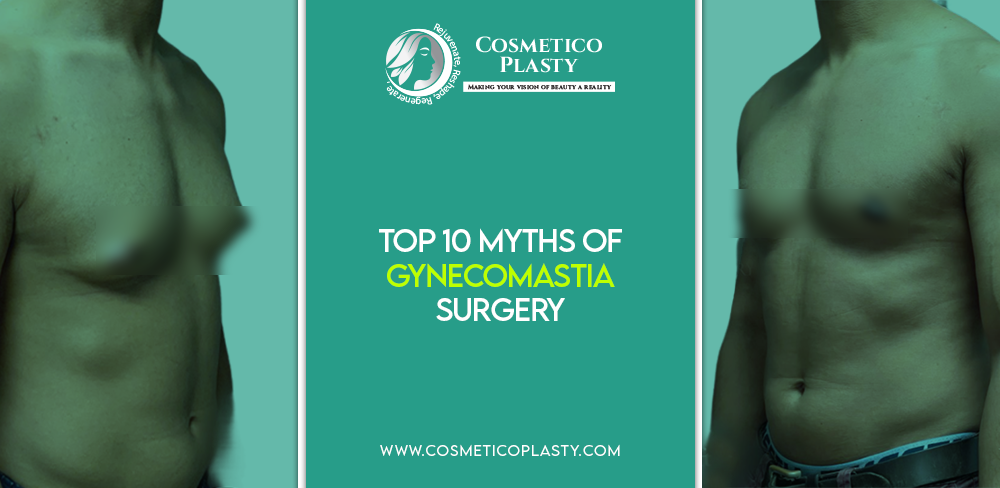
Gynecomastia is an enlargement or excess growth of male breast tissue. Although it affects a large portion of the population and is treated successfully through various means, there are many unsupported beliefs surrounding the procedure. These untruths cause individuals to delay seeking medical assistance for their gynecomastia issue and to worry more about the effects of their surgery. In addition, they miscalculate their expectations for the results of the surgery.
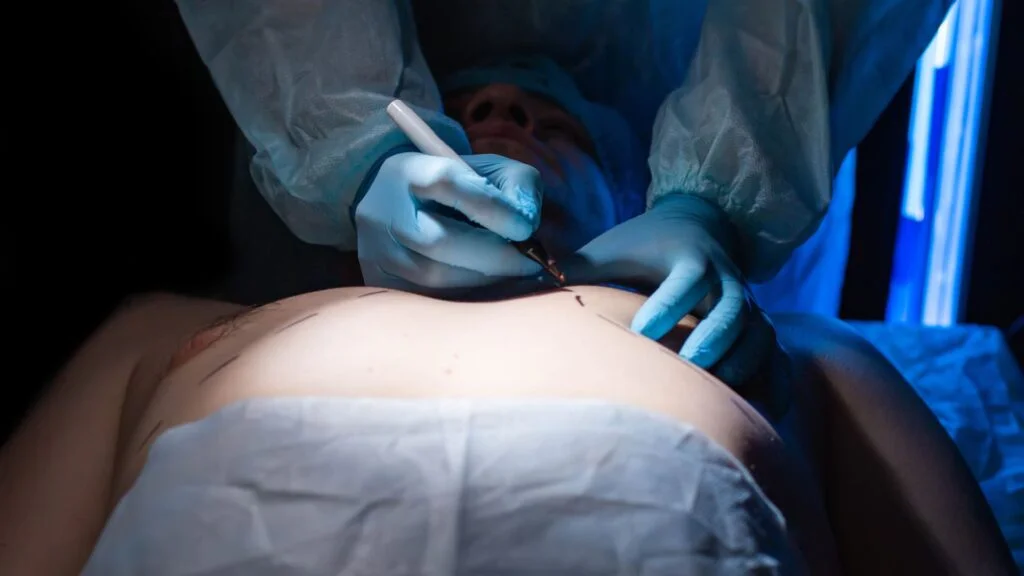
Among many cosmetic surgeons, Prof. Dr. Mustehsan Bashir is an expert in performing gynecomastia surgeries and providing patient-centric services at Cosmeticoplasty. His experience helps him combine the latest surgical techniques with his careful and thoughtful methods to provide his patients with well-contoured and natural-looking chests.
This article will reveal the ten most frequently heard misunderstandings concerning gynecomastia surgery and will provide the current understanding of this procedure.
Gynecomastia is the benign growth of breast tissue in males. The primary cause is the oestrogen-to-testosterone balance discrepancy. The condition tends to appear in males at three stages of life: during the neonatal period, pubescent years, or during old age. However, it might also appear:
Symptoms of gynecomastia include a rubbery, firm mass of breast tissue that may be present under both breasts or may be only one-sided. In mild conditions, it resolves itself; however, more persistent forms of gynecomastia require management of the underlying cause of the imbalance and surgical intervention.
Visit Cosmeticoplasty For Advanced Gynecomastia Surgery
Below is the list that describes myths and the medical reality of gynecomastia surgery.
The Fact: Excessive body weight can cause fat accumulation in the chest. But this is not a true form of gynecomastia. It can add to the situation, but cannot be the sole reason. A true gynecomastia involves the production of glandular breast tissue. Typically, the reason for its development is hormonal changes, use of medications, diseases in the liver or kidney and genetics. Many healthy individuals have a body weight lower than normal yet still have gynecomastia; in these cases, an individual cannot get rid of the situation through weight loss alone.
The Fact: While gynecomastia surgery has a cosmetic benefit, it’s performed for medical reasons, psychological (emotional) distress and because of pain (soreness, tenderness and skin irritations) that may accompany it. Many patients go for surgery to relieve these feelings of physical and emotional discomfort, improve their posture, and improve their overall health. Thus, the treatment for gynecomastia can be viewed not only as a cosmetic option but also as a means of treating other medical issues associated with the disorder.
The Fact: Doing chest exercises can improve muscle definition, but cannot eliminate the glandular components from one’s body. A healthy diet and exercise can help to maintain one’s overall well-being; however, neither can eliminate true gynecomastia. Surgery is the only way to fix the glandular enlargement, and it does not go away on its own.
The Fact: Gynecomastia can occur at any age; Pubertal gynecomastia is more frequent and naturally resolves without treatment. Adult gynecomastia, however, is generally permanent. With aging, chronic illness, and certain drugs, hormonal changes become a common cause of gynecomastia in older males. Thus, it’s a myth to consider it for teens only.
The Fact: When you are under the care of an experienced cosmetic surgeon, gynecomastia surgery is a fairly safe treatment. Complications from the surgery, either infection or bleeding, rarely occur and are easy to manage. Thus, nothing exists that could put the patients in severe danger or long-term health troubles.
The Fact: The current trend in surgical practice is to minimize scars through the use of modern technology. Most incisions are made either on the edge of the areola or in hidden locations in the body. Therefore, with appropriate care after surgery and good healing, scars can become very light and almost invisible after some months post-operatively.
The Fact: After surgery, most patients suffer from varying levels of pain and discomfort (i.e., mild to moderate) that can usually be treated with the use of medication. In most cases, patients return to perform their normal office jobs within two to three days of their day of surgery. Most patients are also able to resume their normal daily routines after 1-2 weeks post-operation; however, patients should wait at least two weeks after surgery before doing any strenuous activities.
The Fact: When glandular tissue is completely removed, recurrence tends to be infrequent. When there is an underlying hormonal problem, the problem will likely return (unless the cause is treated), no matter what surgical procedure is performed. Discontinuation of anabolic steroid administration and/or medications (often cause gynecomastia), along with an appropriate lifestyle, will reduce the risk for recurrence.
The Fact: Treatment for gynecomastia has been effective on all three levels (e.g., mild/moderate/severe) of arousal. Even though there may only be small amounts of glandular tissue, it can produce a protruding chest, as well as psychological pressure. Patient-specific treatment plans include consideration for emotional disturbance in all patients with the condition, and not only based on the amount of glandular enlargement, but also on skin elasticity and other patients’ concerns regarding the gynecomastia and emotional distress over the appearance of their chest-breast area.
The Fact: Gynecomastia Surgery does not interfere with your levels of testosterone in any way. It will not affect your sexual function or reproductivity. During the procedure, surgeons will only remove the excessive amount of breast tissue from your body. Therefore, it does not affect your ability to produce testosterone or your balance of hormones. In fact, the majority of gynecomastia surgery patients experience an enhanced sense of self-worth after surgical corrections. A boost in self-worth can improve their professional and personal relationships.
In the end, gynecomastia surgery is a straightforward, safe method that aspires to the provision of physical and mental wellness. Many men are too afraid to get proper advice because of false expectations and beliefs regarding this procedure.
Thus, comprehending the myths and medical reality of gynecomastia surgery enables patients to clearly see the benefits. Meeting with a compassionate surgeon provides patients with better information about their possible outcomes.
Dr. Mustehsan Bashir at Cosmeticoplasty has a reputation for explaining straightforwardly to his patients, along with ethical advice. He maintains a firm focus on the safety of each patient at all phases of their treatment and, hence, provides outstanding outcomes. Approaching such a surgeon is a means to be confident, healthier, and to enjoy pleasing results.
WhatsApp us