

Increasing consciousness about looking slim has introduced numerous ways to achieve the goal. In addition to traditional and surgical methods, another thing is emerging. It is the use of indirect weight control medications such as Ozempic. These have helped many people achieve significant weight loss, but with a noticeable effect on the face. Such faces are usually termed “Ozempic faces”.
The medication itself does not cause these changes, but by the loss of facial fat that normally supports the skin. In case an individual sheds pounds quickly, the skin, especially in mature patients, may not be able to resume the same level of tightness to adapt to the new facial structure. As a result, the face can appear older or out of proportion.
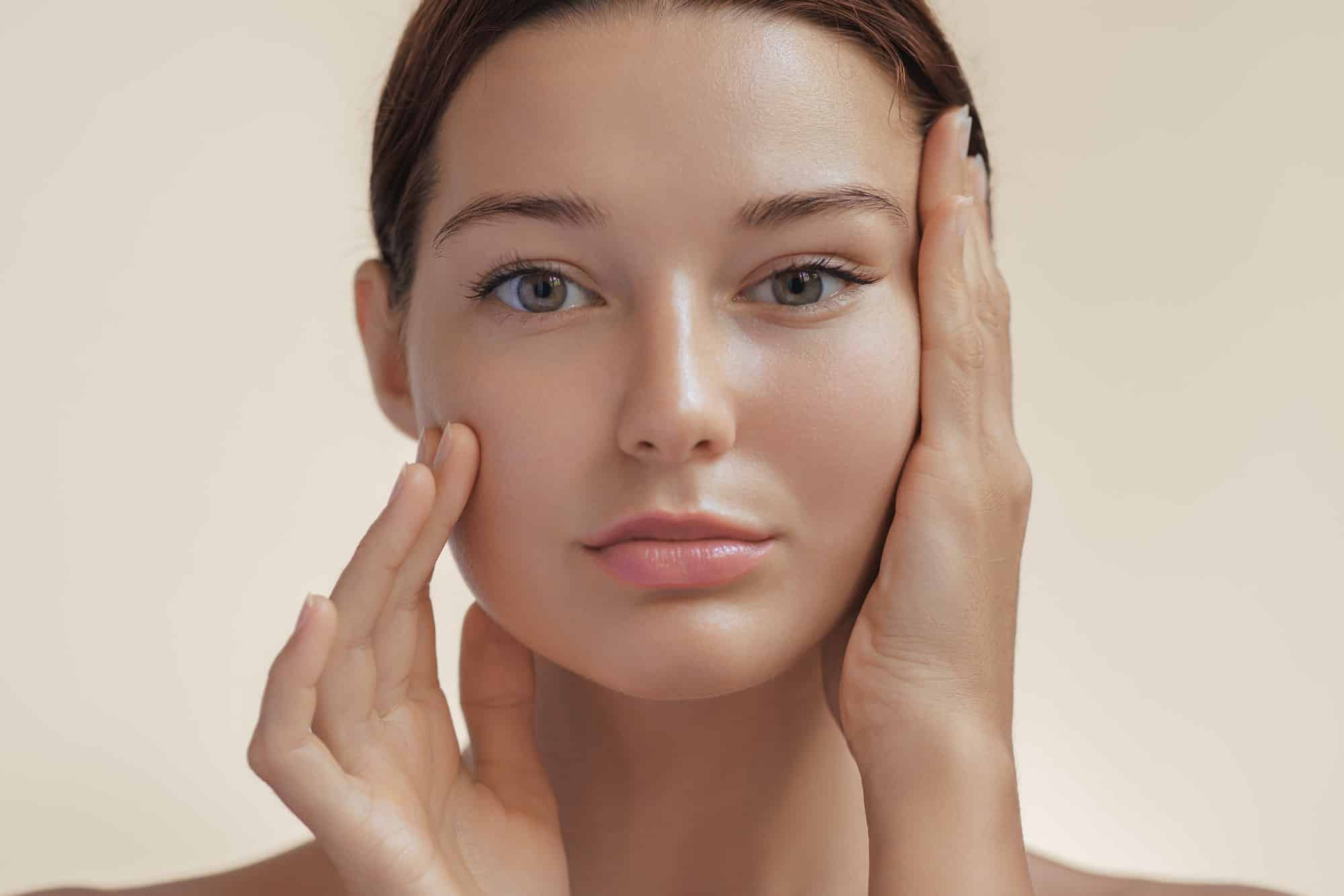
After making an analysis of the severity of the situation, your expert can suggest you with the suitable treatment (Surgical or non surgical) that will best for you. In a situation when a patient has moderate to severe facial sagging and volume loss, facelift surgery is a reliable solution with lasting outcomes. It addresses the structural changes in depth rather than just the surface of the skin.
A well-rounded surgeon like Prof Dr Mustehsan Bashir at Cosmeticoplasty can handle and fulfil the real-time needs of patients (aesthetic or functional). His clinical judgment plays a pivotal role in the provision of the right changes to the patient’s facial anatomy, proper guidance and the best care.
The rest of this piece of writing is all about the treatment of the Ozempic face with a facelift and the lifespan of its results. Let’s explore!
Ozempic face” is a condition that happens as a result of the visible change that people exhibit around the face after substantial weight reduction due to the use of the GLP-1 class of drugs, such as Ozempic.
The primary reason is a reduction in the amount of fat around the body, which serves as a support system for the tissues. It is, however, important to note that an “Ozempic face” is not a side effect; it is, in fact, a normal reaction, which many people encounter as a result of losing fat.
Significant weight loss affects the face in several predictable ways:
The above reasons demonstrate that changes are not superficial but are associated with internal structure. Hence, adaptation of the surgical method may be necessary in moderate to severe cases.
Any patient who has an Ozempic face owns a back-end desire to look younger and attractive. In such circumstances, to achieve aesthetic goals, a volume restoration technique is of immense significance. The youthful form of the face is defined by volume restoration. The mainstream options include:
The surgeon removes the fat (usually abdomen or thigh), processes it, and micro-injects it into the cheeks, temples, tear troughs, and so on. The best part is that it utilizes the tissues of the patient, and may give permanent volume (some resorption may occur), and is often done during a facelift. Fat grafting is commonly used in deficits of large volume and in patients who prefer a long-term solution.
These are good at contouring specific areas, have low downtime, and have reliable short- to medium-term effects. Fillers are suitable with patients who desire to postpone surgery or staged reversible corrections. In most situations, fillers are used as an addition to surgical lifts, as minor corrections are required.
A patient, after losing fat, not only experiences facial shrinking, but the fine lines, pigmentation, and uneven texture are other big issues to deal with. For this purpose, laser treatments are no less than a blessing. It can help to provide a toned, wrinkle-free free and harmonious facial appearance,
With the effect of Ozempic, treating these faces can reach a point where surgery is the only way to counteract.
Various factors, such as age and unhealthy lifestyle, may lead to the presence of skin folds, wrinkles, and loose skin. Hence, resulting in an aged appearance. In addition to all these elements, substantial weight loss in response to medication may also make someone’s face older compared to the rest of the body.
Facelift surgery in Lahore is a shift towards that youthful facial contour. It focuses on adjusting sagging skin and tightening underlying muscles. The procedure consists of the removal of needless skin and the fixing of loose muscles, deep creases, and jowls. Moreover, surgeons adjust the skin of the neck area in order to deliver a flawless, younger appearance.
Depending on the severity of skin issues, there are different types of facelift surgery designed to achieve the best results.
Its other name is a full facelift because it involves incisions around the ears, along the hairline, and under the chin. This type of facelift aims to address the aging signs on the lower face and neck.
Mini-facelift is also known as S-lift and is less invasive with fewer incisions. It is helpful in fixing mild to moderate sagging around the cheeks and jawline.
Mid-facelift or cheek lift restores the areas between the mouth and eyes, such as the cheeks and nose.
It involves temporary thread hooks to lift the skin. It’s less invasive and offers quicker recovery.
Have an advanced, personalized facelift at Cosmeticoplasty from Prof Dr Mustehsan Bashir
port that helps to keep the skin firm and taut. As a consequence, the tissues sag, creating deep folds and a loss of definition along the jaw and neck. Facelift surgery in such cases;
In Ozempic face patients, this approach corrects the descent of tissues, improves facial balance, and creates a smoother, fresher look that better reflects the person’s overall weight loss transformation.
Choosing a restoring volume procedure in combination, such as with fat grafting, a facelift surgery can also address temples and cheeks with hollow areas, leading to naturally looking, long-lasting rejuvenation.
In moderate to severe Ozempic face, ‘facelift + fat grafting’ is often advised to provide both structure and volume in one reconstruction plan. Fat grafting not only balances the facial volume but also boosts the outcomes of a facelift.
Hence, after getting approval from your cosmetic surgeon, you can go to have a combo if weight loss has affected your facial volume significantly. The surgeon also discusses the limits of your surgical options in developing a button nose aesthetic that is possible to achieve safely.
Despite the high efficacy of treating Ozempic face with a facelift, it is crucial to have it at the right time. Undergoing the procedure in a timely manner is important, both aesthetically and safety-wise. For this purpose, before getting a facelift, a patient must;
Preferably, it is advisable that patients are within or close to their target weight a few months before undergoing major facial surgery. Continuous changes in weight shift soft tissues and may shorten the effect of outcomes. Numerous guidelines suggest that weight must remain stable during a minimum of 3-6 months.
A person is an appropriate candidate if:
The discussion could not be complete without a description of recovery. Initially, swelling, bruising, and some discomfort typically occur that subsides within two to three weeks post-surgery. Most of the candidate’s regular activities can be restored within 10 to 14 days. An exception includes strenuous exercises and any form of heavy weight lifting and bending, which are typically restricted for a few weeks after surgery for full recovery.
Subsequently, facial features can be seen as more defined and refined while scarring decreases over time. Typically, final results appear within six months, along with an even smoother and firmer appearance denoting full and successful recovery. When accomplished expertly, facial rejuvenation surgery using Ozempic facial enhancement demonstrates natural and longer-lasting results that show well the entire bodyweight loss make-over.
So, having an aesthetically pleasing body image, a healthier weight and a younger appearance are of equal significance. However, some patients, in an attempt to lose weight through the GLP-1 class of drugs, such as Ozempic, lose their facial rejuvenation.
Here comes the modern facelift techniques that specialize in addressing the deep structural deformations. It tightens the skin and tissues deep under the skin. As a consequence, patients get rid of sagging skin, jowls or other ageing signs and acquire a refreshed, younger appearance.
This is why treating the Ozempic face with a facelift is becoming more and more popular over time. In addition, approaching expert hands like Prof Dr Mustehsan Bashir at Cosmeticoplasty can ensure the provision of modern, safe and high-impact procedures. Moreover, visiting him guarantees that the procedure selected is best suitable for you and hence results will be lasting.
WhatsApp us