
Standing in front of the mirror after chin liposuction brings a flood of mixed emotions. The very first expectation is acquiring a perfectly contoured jawline. But all the patient sees is unwanted changes in coloration, stiffness, and sensitivity.
This purplish-blue skin creeping down from the jawline can easily set anyone into a state of panic. Patients might wonder if these changes in coloration are going to be permanent. Post-procedure color change is a normal biological process aimed at rebuilding tissue in the patient’s body.
A sculpted jawline starts with precision care, which is why patients trust Prof. Dr. Mustehsan Bashir at Lahore’s Cosmeticoplasty for minimally invasive, contour-defining chin liposuction. The patient should know about the biology behind bruising after chin liposuction, how skin tone changes throughout the entire healing period, and how to take proper care of themselves with complete confidence.
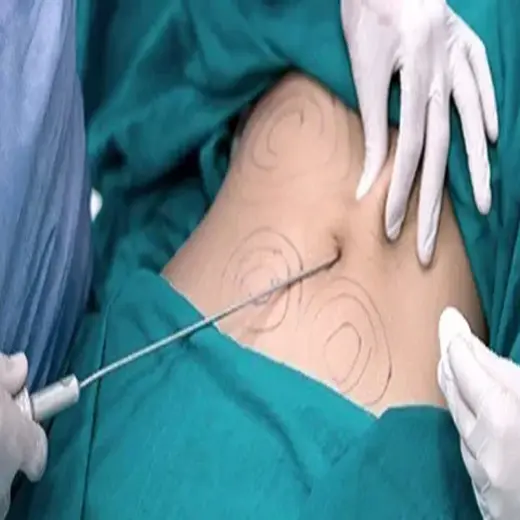
The bruise itself is, in essence, a vascular phenomenon. During chin liposuction, the surgeon makes small incisions around the patient’s neck and inserts a micro-cannula to remove fat cells from the subcutaneous tissue.
During the procedure, mechanical stress can affect small blood vessels, capillaries, and nerve endings. As a result, tiny capillary walls may stretch or rupture, causing blood to leak into the spaces between the skin and muscle layers. Red blood cells then accumulate beneath the skin, leading to changes in the color of hemoglobin as the blood breaks down.
This breakdown produces pigments such as biliverdin, which can cause greenish discoloration, and bilirubin, which can contribute to yellowish or brown shades. Although dark spots in the visible neck and jaw area may seem concerning.
They are often a normal part of the healing process as the body gradually clears the blood and cellular debris. Following your surgeon’s aftercare instructions and maintaining healthy recovery habits can also help you achieve long-lasting results with liposuction.
Each person heals according to their own individual genetic timeline. Some people may experience only faint traces of old bruises, while others may develop purplish marks that extend toward the collarbones.
Although bruising is generally a normal part of recovery, understanding the signs of a failed liposuction can help patients distinguish expected healing changes from symptoms that may require medical attention. Several factors contribute to the severity of bruising:
Natural Capillary Fragility: Everybody’s capillary toughness differs greatly. Some people have naturally fragile capillaries that are sensitive and can easily become discolored through simple pressure.
Procedure Technique and Surgical Instruments Used: The modern technique used for injecting the tumescent fluid (saline solution with lidocaine and epinephrine) minimizes bleeding due to shrinking of blood vessels before the fat is suctioned out. But the volume of stubborn submental fat removed and the duration of cannula movement naturally affect tissue trauma.
Skin Tone and Thickness: Pale, thin skin is more transparent, so it shows hemoglobin discoloration more. In the case of deeper skin tone, bruising will be either dark purple, slate gray, or even hyperpigmentation.
Systemic Circulation and Gravity: The effect of gravity on the neck causes any excess fluid to be drawn downward due to its vertical nature. Normally, a patient might witness bruising in the chin area moving downward toward the lower neck and upper chest within the first week.
Pre-Existing Lifestyle and Dietary Habits: Substances that act as blood thinners, including everyday painkillers and even herbs, interfere with platelet aggregation and cause wider spread of bruises beneath the face.
In a recent study, patient satisfaction was evaluated through a modified questionnaire before the surgery and after one year. As emphasized by top aesthetics experts, abdominal reshaping after drastic weight loss is associated with fundamental changes in ease of living and psychological well-being. Clinical results have shown impressive patient gains in:
| Recovery Phase | Typical Visual Appearance | Accompanying Sensations | Primary Care Objective |
|---|---|---|---|
| Days 1 – 3 | Deep reddish-purple, dark blue, or slate-colored patches; localized swelling. | Tenderness, tight sensation, surface numbness, feeling of fullness. | Continuous compression garment wear; strict head elevation; intermittent cold packs. |
| Days 4 – 7 | Bruising shifts toward greenish-blue and muddy brown edges; swelling peaks and begins tapering. | Itchiness as nerves wake up; mild stiffness along the jawline; firm subcutaneous pockets. | Transitioning from cold to warm compresses; gentle hydration; light walking to stimulate blood flow. |
| Days 8 – 14 | Faded yellow, mustard, and faint brown staining; significant reduction in surface size. | Decreasing tenderness; occasional tingling sensations; softening of hard tissue spots. | Part-time compression wear (as instructed); light manual lymphatic drainage; sun protection. |
| Weeks 3 – 4+ | Normal baseline skin tone returns; residual faint discoloration fully clears. | Minor deep tissue firmness (induration); gradual return of full tactile sensation. | Consistent SPF application; gentle moisturizer use; resumption of normal physical activities. |
Though the body takes its own time to process the pooled hemoglobin, patients can take preventive measures that will help them recover faster.
The constant pressure due to the chin strap makes the empty pockets under the skin collapse, stops the capillary bleeding, and doesn’t let the inflammatory fluids accumulate underneath the new contours of the chin. The wearing of the garment will ensure the adhesion of the tissues and minimize the discoloration.
The lying position promotes the flow of arterial blood and interstitial fluid into the head area, increasing facial pressure and swelling. For a minimum of the first two weeks, patients must sleep with their head elevated 30 to 45 degrees using a wedge pillow or several supportive pillows.
Diets with refined sodium cause water retention in the body, delaying puffiness and tight tissues. Focusing on lean proteins, green vegetables with vitamin K, and plenty of water provides the necessary materials for the cells to repair damaged vessel linings and excrete waste via the kidneys.
A few common habits can stall recovery and stretch out the discoloration — avoid these.
The bruising after chin liposuction requires patience to disappear completely. Understanding that discoloration is a normal part of the healing process can help reduce patients’ nervousness and ease some of the psychological impacts of liposuction on body image during recovery.
Following all recommendations regarding compression and elevation, along with taking proper care of the skin, can help the dark spots fade gradually and reveal a more defined jawline. To take the next step toward a sharply defined profile, schedule a personal consultation with Prof. Dr. Mustehsan Bashir at Cosmeticoplasty to learn more about premier liposuction surgery in Lahore.
WhatsApp us