
Gynecomastia Surgery in Lahore
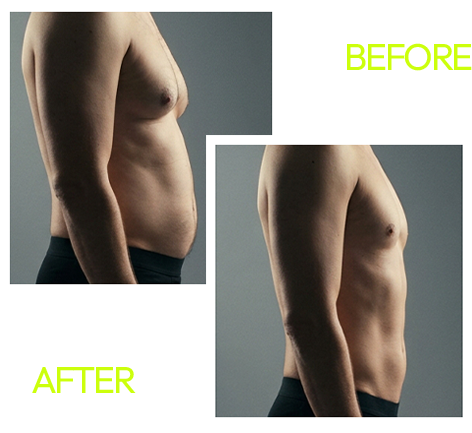
Stop hiding under baggy clothes; reclaim your masculine physique with Gynecomastia Surgery in Lahore.
- Redefines and flattens the chest for a contoured look
- Safely & discreetly removes excess glandular tissue and fat
- Provides permanent results and a natural, masculine body
Testimonials
 Posted on Google
 Awais Pasha
Trustindex verifies that the original source of the review is Google.
My wife and I recently visited the plastic surgeon to discuss some concerns and questions regarding fat grafting. He was extremely professional, knowledgeable, and patient throughout the consultation. He explained everything clearly and addressed all of our concerns in a very reassuring and professional manner. We truly appreciated his honest guidance and the time he took to make sure we fully understood everything. Overall, it was a very positive experience, and we would highly recommend him to anyone looking for a professional and trustworthy plastic surgeon.Posted on Google Shama AkhtarI had a wonderful experience with Dr. Mustehsan Bashir. After 4 C-section, my tummy was sagging and hanging. For many years I had pain in my abdomen whenever I used to stand up or sit down. I went to many doctors to consult about what this pain is and what was it's cause? Most of them said it could be caused by fatty liver, but it never made sense as to how fatty liver causes pain in my abdominal area. Then I found Dr. Mustehsan's Clinic. Dr. Mustehsan guided us through the procedure every step of the way, making sure we were not uninformed of anything. After a thorough consultation, I found out my muscles had separated and the pain was being caused by my abdominal fat coming in and out of the muscles. If I had delayed this and kept ignoring, it could've caused hernia, I am very grateful I found Dr. Mustehsan Bashir' clinic in time! I underwent surgery for Rectus diastasis and Abdominoplasty and Dr Mustehsan was very attentive and careful throughout our stay at the hospital. Post surgery treatment was amazing, as all the followup appointments afterwards. All the hospital staff were very patient and very caring. Overall Dr.Mustehsan Bashir was very professional and his expertise throughout it all was well suited to my needs and was very reassuring to answer my doubts and worries. After surgery, looking into the mirror, I felt a huge confidence boost. I thank Dr. Mustehsan Bashir for lifting this burden off of my shoulder, which I carried for many years and for increasing myself love and confidence in myself too. Highly recommended Dr. Mustehsan to everyone who wants to visit him for any concerns about yourself. Thank you very much Dr. Mustehsan Bashir for all the care and support you give. Jazakallah Khair. 😊Posted on Google
 Ambreen KashifDr. Mustehsan Bashir is genuinely one of the best doctors I’ve come across in Lahore. His professionalism, knowledge, and the way he treats his patients really stand out. He takes the time to listen carefully, explains everything clearly, and makes you feel comfortable instead of rushed. What impressed me most was his caring and reassuring attitude. You can tell that he truly cares about his patients and isn’t just focused on getting through appointments. His approach is both professional and compassionate, which is something you don’t find everywhere. I would highly recommend Dr. Mustehsan Bashir to anyone looking for a knowledgeable, trustworthy, and genuinely caring doctor. Truly excellent experience! ⭐⭐⭐⭐⭐Posted on Google
 Amna LiaqatWe had such a good experience with Dr Mustehsin, so professional, extremely skilled and competent. Got treatment for a cancer surgery with reconstruction, amazing job, Highly recommended 👌Posted on Google
 Michael ShahzadI had my Tummy Tuck surgery done by Prof Dr Muhammad Mustehsan Bashir ,I'm very satisfied, recovery was smooth.Highly recommended.Posted on Google
 Muhammad FurqanI had my septorhinoplasty performed by Dr. Mustehsan Bashir, and I am extremely satisfied with my experience. He is highly professional, skilled, and attentive, and he explained everything clearly throughout the process. The surgery and follow-up care were handled very professionally, and I’m very pleased with my recovery and results. I truly appreciate Dr. Mustehsan Bashir and his team for their care and support. Highly recommended.Posted on Google
 shahab MalikDr. Mustehsan is a competent surgeon and an expert in his field. My experience was satisfactory.Posted on Google
 naela faiz
Trustindex verifies that the original source of the review is Google.
I had a very positive experience with Dr.Mustehsan . He is highly skilled, professional, and meticulous in his work. From the initial consultation through the procedure and follow-up, he was attentive, reassuring, and took the time to explain everything clearly. I especially appreciated his precision and attention to detail. The results have been very natural-looking, and I felt that I was in safe and capable hands throughout the entire process. His professionalism, expertise, and dedication to patient care truly stand out.Posted on Google Aqeel SherazI am very satisfied with my experience with Prof. Dr. Mustehsan Bashir and his team. I underwent a liposuction procedure and my overall experience was excellent. The procedure was almost painless for me even the injection was surprisingly painless. Dr. Mustehsan and his team explained everything clearly and properly. Whenever I had any questions or concerns, they answered them patiently and were very cooperative and supportive throughout the process. I really appreciate their professionalism, care and cooperation. Overall, I am very satisfied with my treatment and would highly recommend their services.
Gynecomastia in Lahore
Are you struggling with gynecomastia or enlarged breast tissue? For many men, diet and exercise aren’t enough to achieve a flat, masculine chest. Gynecomastia surgery or breast reduction surgery is a specialized procedure designed to correct enlarged male breasts. With gynecomastia surgery in Lahore, you can restore a firmer, more contoured chest profile and feel more confident in your appearance.
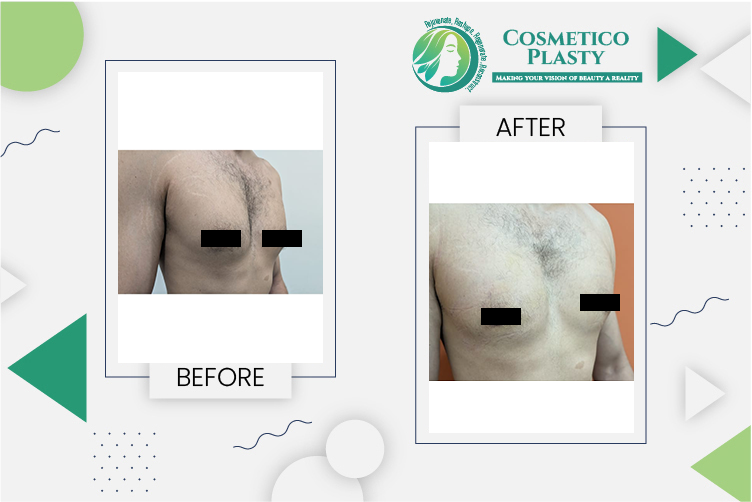
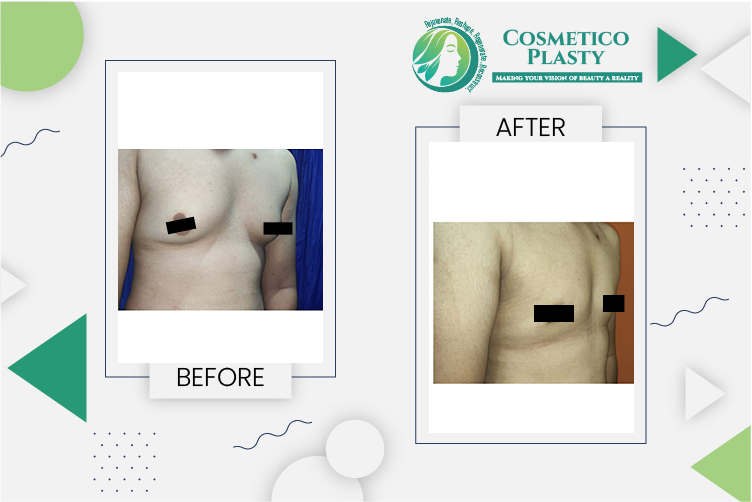
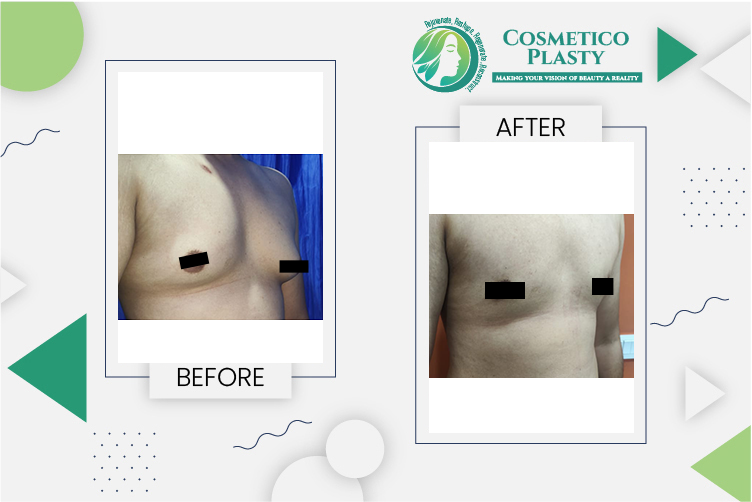
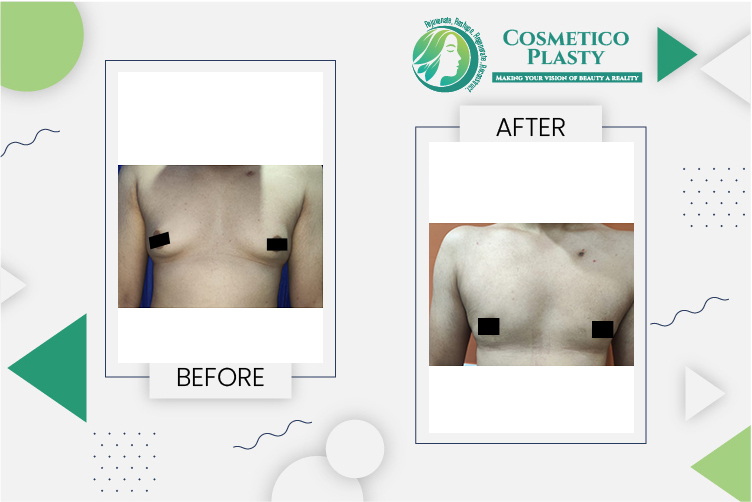
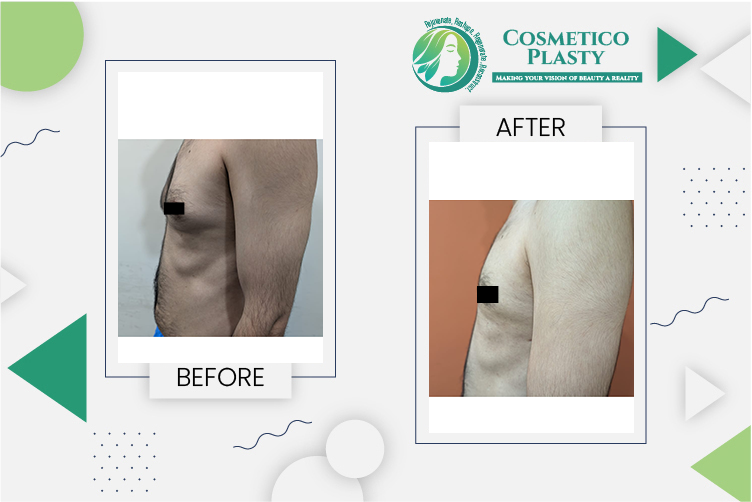
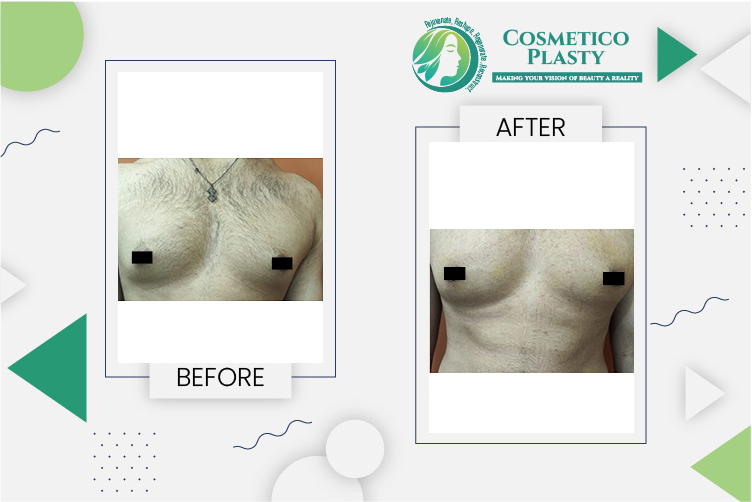
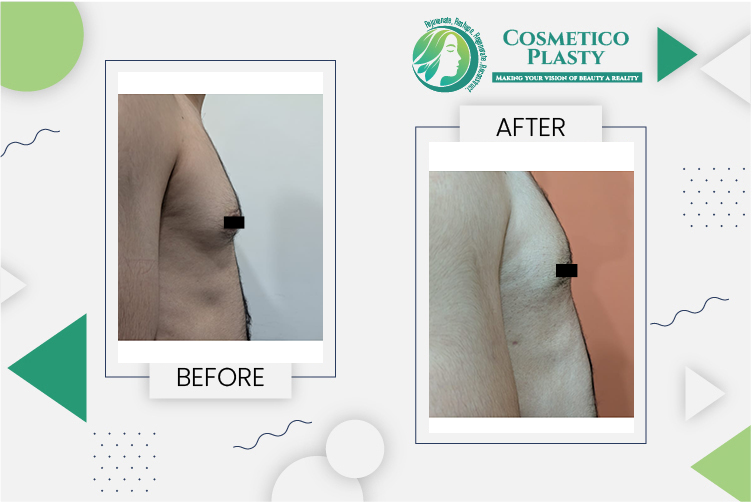
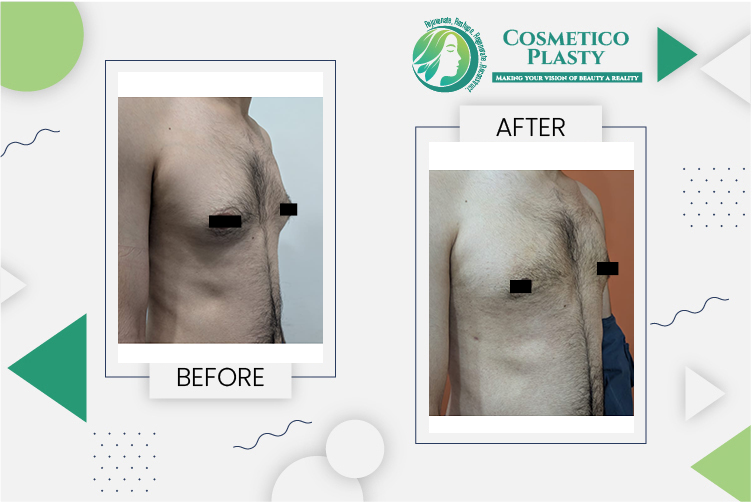
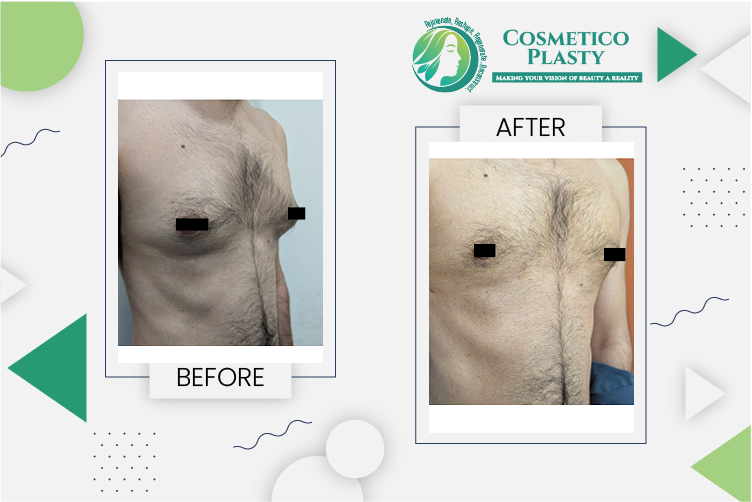
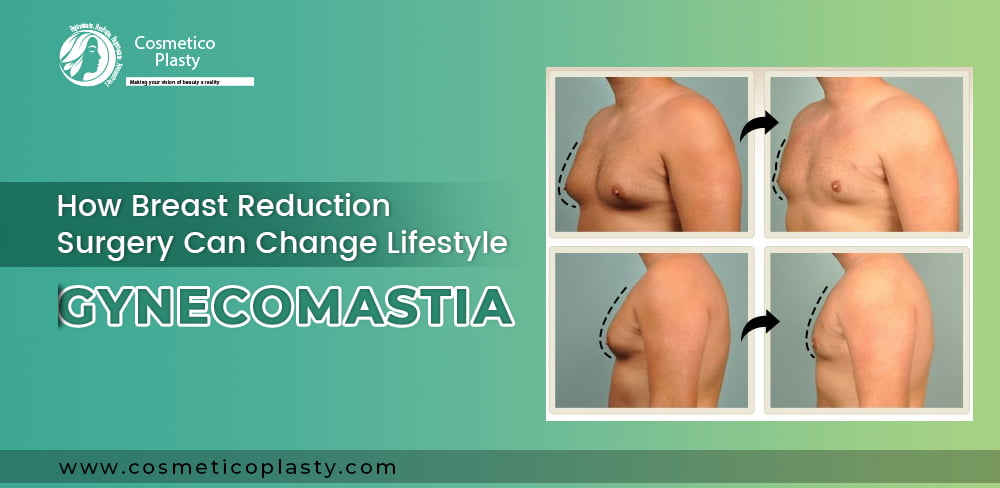
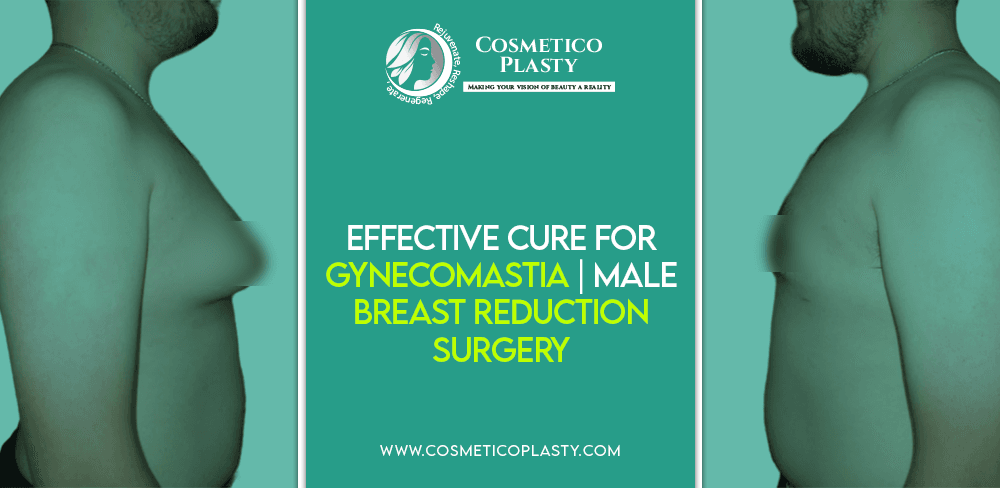
Gynecomastia Surgery Before and After in Lahore
Your chest should reflect your confidence and strength, not the frustration of enlarged breasts. With a specialized gynecomastia surgery in Lahore, you can achieve a flatter, firmer, and more masculine chest contour while maintaining natural-looking results. See how real patients have restored their confidence through safe, personalized treatment.



Meet Professor Dr. Mustehsan Bashir
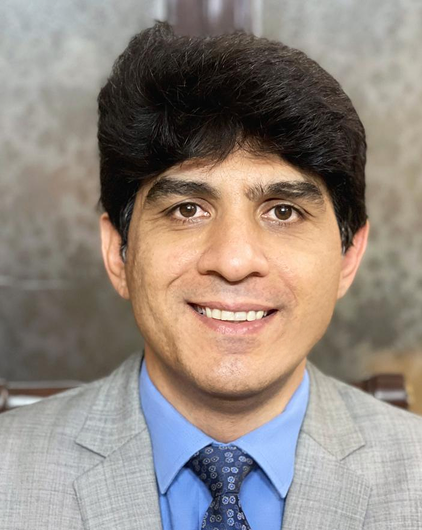
With over 25 years of experience in plastic and reconstructive surgery, Prof. Dr Mustehsan Bashir is one of Pakistan’s few PhD-qualified plastic surgeons. He graduated from King Edward Medical University and later completed his certification from Thomas Jefferson University in the USA. This shaped his knowledge with both academic excellence and hands-on expertise.
As a Professor and Chairman of Plastic Surgery at King Edward Medical University, he has performed a wide range of body contouring methods, including gynecomastia corrections, across multiple patient profiles and body structures.
At Cosmeticoplasty, Prof. Dr. Mustehsan Bashir combines surgical precision with expertise. He doesn’t apply a fixed method to every case. His approach to gynecomastia surgery in Lahore is completely patient-centric. First, the tissue type is assessed, and the technique is chosen accordingly. Every decision is made with the patient’s goals and outcome in mind.
Professional Accomplishments and Skills
Professor Dr. Mustehsan Bashir stands out for multiple aesthetic and reconstructive surgical procedures. Each one is performed with great precision and a deep commitment to patient safety.
Awards and Achievements
Internationally distinguished for employing the latest gynecomastia surgical techniques that produce a naturally contoured male chest.
Among my many accomplishments is the publication of over 400 scholarly articles in peer-reviewed journals worldwide.
An invited speaker at prestigious international universities, including the University of Sheffield, UK.
Author of a widely referenced academic book, “Research Methodology and Basic Biostatistics.”
Aesthetic Contribution
- Received a distinguished award for excellence in plastic surgery education and innovation.
- Proven expertise in advanced aesthetic surgery and transformative reconstructive surgery.
- Actively involved in prominent surgical organizations at both national and international levels.
Recognitions & Professional Affiliations
- PHD in Plastic Surgery from King Edward University, Lahore.
- Fellowship in Hand Surgery from Thomas Jefferson University, Philadelphia, USA.
- Holds FCPS in Plastic Surgery and general surgery with MCPS in Surgery from the College of Physicians and Surgeons, Pakistan.
- Member of prominent professional organizations, including the Pakistan Association of Plastic Surgeons (PAPS), Society of Surgeons Pakistan, Pakistan Burn Association, American Society of Plastic Surgeons (ASPS), and the Pakistan Society for Surgery of the Hand.
- Formally registered as a medical specialist with the Pakistan Medical Commission and duly affiliated with CPSP.
Qualification & Affiliations

Pakistan Society for Surgery of the Hand

Society of Surgeons Pakistan

Pakistan Medical Commission

Thomas Jefferson University, Philadelphia, USA

College of Physicians and Surgeons Pakistan

American Association of Plastic Surgeons (ASPS)

Pakistan Burn Association

King Edward Medical University

Pakistan Journal of Plastic Surgery

Mayo Hospital Lahore

Punjab medical college and allied hospital

Integrated Medical Hospital Lahore

Evercare Hospital Lahore
What is the Gynecomastia Surgery?
Gynecomastia surgery is a specialized surgical procedure to treat enlarged male breast tissue and improve the shape, firmness, and overall appearance of the chest. Men often choose this surgery to address concerns like excess breast tissue, stubborn chest fat, or sagging that can create a feminine-looking appearance. The procedure helps restore a flatter, more masculine chest while improving both physical comfort and self-confidence.
With hormonal changes, weight fluctuations, genetics, or certain medications, men may develop enlarged chest tissue that often does not respond fully to exercise or dieting alone. This can lead to discomfort in clothing and a constant feeling of self-consciousness in social gatherings.
During gynecomastia surgery, the surgeon carefully removes excess glandular tissue, fat, and, in some cases, loose skin to reshape and redefine the chest area. Depending on the severity of the condition, advanced techniques such as liposuction, gland excision, or a combination of both may be used to create smoother, more natural-looking results.
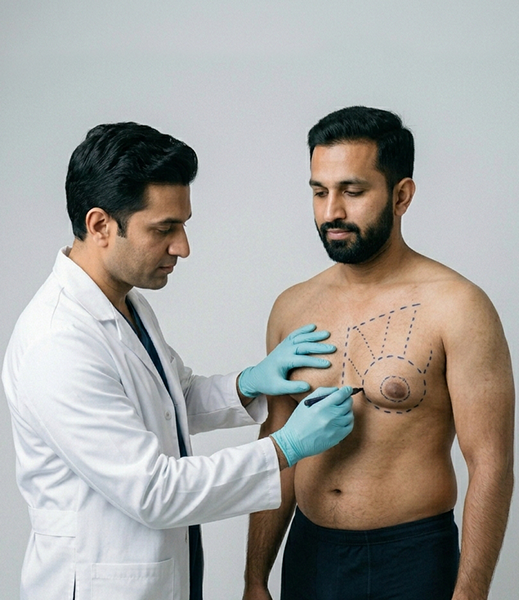
Beyond cosmetic improvements, gynecomastia surgery in Lahore also helps men feel more confident, comfortable, and secure in their bodies. When performed by an experienced gynecomastia surgeon, the goal is always to achieve balanced and natural contours that enhance masculinity without appearing artificial.
Types of Gynecomastia Surgery
Gynecomastia surgery is tailored according to the type and severity of excess chest tissue. The right surgical approach depends on whether the concern is fatty tissue, glandular tissue, or a combination of both.
Liposuction
Removes excess fatty tissue only and is best for pseudo-gynecomastia or mild cases without firm glandular tissue. This method involves small incisions, minimal scarring, and typically offers the fastest recovery.
Glandular Excision
Targets firm glandular tissue through a small incision around the lower border of the areola. It is recommended when dense tissue beneath the nipple cannot be effectively treated with liposuction alone.
Combination (Liposuction + Excision):
The most commonly performed technique addresses both fatty and glandular components in one procedure. It provides the most comprehensive and natural-looking masculine chest contour.
Advanced Surgical Precision
Prof. Dr. Mustehsan Bashir uses advanced techniques such as Vaser/Ultrasound-Assisted Liposuction (UAL) for fibrous or mixed tissue cases, along with periareolar keyhole incision methods for gland removal, helping achieve precise results with minimal visible scarring.
For Grade 3 & 4 Cases
In more severe gynecomastia cases involving excess skin, the procedure may also include skin tightening and nipple-areola repositioning as part of the excision process for optimal chest reshaping.
| Treatment Option | Procedure Overview | Estimated Cost Range |
|---|---|---|
| Gland Excision Surgery | Removes dense glandular tissue through precise surgical correction for a flatter, firmer chest shape. | PKR 120K–250K |
| Chest Liposuction | Targets excess fatty tissue using minimally invasive suction techniques with smaller incisions and quicker recovery. | PKR 80K–180K |
| Combined Liposuction + Excision | Addresses both fat and gland tissue in one procedure for comprehensive chest contouring and natural masculine definition. | PKR 150K–300K |
| Vaser / Ultrasound-Assisted Liposuction | Advanced fat reduction technique ideal for fibrous tissue with smoother contouring and minimal visible scarring. | PKR 170K–320K |
| Severe Gynecomastia Correction (Grade 3–4) | Includes gland removal, skin tightening, and possible nipple repositioning for advanced cases with loose skin. | PKR 250K–450K |
The final cost is determined after a detailed clinical assessment and may vary based on the severity of gynecomastia, the surgical technique required, facility standards, and the type of anesthesia used.
What to Expect During Your Gynecomastia Surgery Consultation in Lahore
Taking the first step may feel overwhelming, but a detailed consultation can give you clarity and confidence to decide. Here’s what you can expect during your first consultation with Prof. Dr. Mustehsan Bashir:
Discuss Your Concerns & Goals
You’ll openly discuss concerns such as enlarged male breasts, chest fullness, stubborn fat, or self-confidence issues. Your goals and expectations will be carefully understood to create a treatment plan.
Detailed Physical Examination
Prof. Dr. Mustehsan Bashir will assess chest tissue, fat distribution, skin elasticity, and overall body structure to determine the severity of gynecomastia and recommend the most suitable treatment approach.
Understand the Procedure Clearly
He will guide you through step-by-step procedures, including gland removal, liposuction if needed, recovery time, and outcomes, so you know exactly what to expect.
Realistic & Personalized Expectations
Honest guidance is provided based on your body type and goals, ensuring natural-looking, masculine chest contouring with safe and balanced results.
Transparent Cost Discussion
You’ll get a clear breakdown of gynecomastia surgery cost in Lahore, including all the treatment options and factors affecting cost in detail.
Ask Freely Without Hesitation
Your every question needs to be answered. You can discuss your fears, recovery concerns, or expectations openly, so that you feel informed and comfortable before proceeding.
Who is an Ideal Candidate for Gynecomastia Surgery?
This surgery can be highly effective for men who are physically healthy and looking for a long-term solution to excess chest tissue. A proper evaluation helps determine whether the procedure is right for you.
It is best suited for;
- Individuals who maintain a consistent weight for lasting results.
- Men whose enlarged chest has not improved with better lifestyle changes.
- Candidates should not suffer from serious medical conditions that may affect healing.
- Individuals who understand the procedure, recovery, and achievable outcomes.
- Non-smokers or those cleared for anesthesia generally experience safer surgery and smoother recovery.
- Adults or younger patients whose puberty-related gynecomastia has remained stable for at least two years.
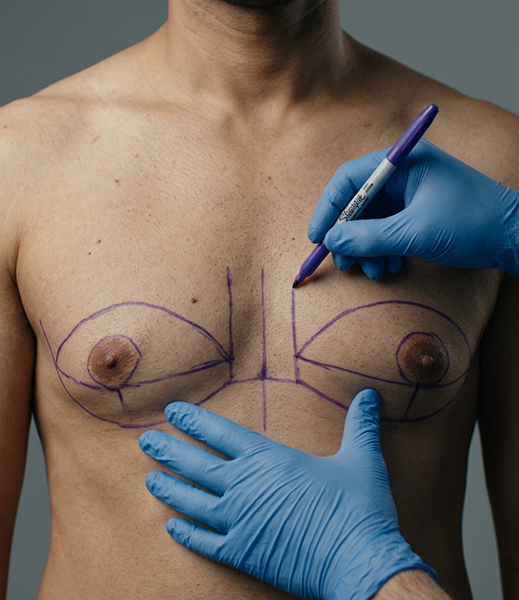
| Candidate Criteria | Ideal? | Why It Matters |
|---|---|---|
| Stable body weight (past 6+ months) | Yes | Frequent weight changes can lead to recurrence after surgery. Maintaining a stable weight helps ensure long-term results. |
| Chest enlargement continues despite diet & exercise | Yes | True gynecomastia is caused by glandular tissue, which typically doesn’t respond to lifestyle changes alone. |
| Overall good physical health | Yes | Being healthy lowers anaesthesia risks and promotes a smoother, safer recovery. |
| Realistic expectations of outcomes | Yes | Surgery can create a flatter, more masculine chest, but perfection isn’t guaranteed. Mindset is important. |
| Non-smoker or willing to quit at least 4 weeks before surgery | Yes | Smoking restricts blood flow and delays healing, so a smoke-free period is required. |
| Age 18+ OR condition stable for 2 years after puberty | Yes | In younger individuals, the condition may resolve naturally. Surgery is best once it has fully stabilized. |
| Currently overweight / planning major weight loss | No | Significant weight changes can affect results. Surgery is recommended after reaching a consistent goal weight. |
| Ongoing hormonal condition causing enlargement | No | Hormonal issues (e.g., thyroid or pituitary disorders) should be treated before considering surgery. |
| Taking medications linked to gynecomastia | No | Certain drugs (like steroids or antidepressants) may need adjustment under medical guidance before surgery. |
Gynecomastia Procedure: Pre, Post & Follow-up Care
Understanding each stage of gynecomastia surgery helps reduce uncertainty and allows you to feel more prepared, confident, and in control throughout your transformation journey.
Consultation & Clinical Assessment
Your surgeon evaluates chest tissue, skin quality, medical history, and treatment goals to create a personalized surgical plan.
Pre-Operative Testing
Blood work, chest ultrasound, and hormone evaluations may be recommended to identify underlying causes and ensure safe surgery.
Anesthesia Planning
Depending on the severity and complexity of your case, local or general anesthesia is selected for maximum safety and comfort.
Fat Removal and/or Gland Excision
The procedure may involve liposuction, gland removal, or both to effectively reshape the chest, depending on the condition.
Procedure Duration
Most gynecomastia procedures typically take between 60 to 90 minutes, depending on treatment complexity.
Compression Garment & Dressing
After surgery, a compression garment is applied to support healing, minimize swelling, and help maintain your new chest contour.
Your recovery journey matters just as much as the procedure itself.
Proper Follow-Up Care Ensures Smoother Healing, Better Comfort, and Long-Lasting Results.
Scheduled Follow-Up Visits
Regular post-operative checkups allow your surgeon to monitor healing progress and address concerns early.
Swelling & Recovery Monitoring
Mild swelling and discomfort are normal, and your progress will be carefully assessed over time.
Compression Garment Usage
Wearing your garment as advised helps optimize contouring and supports proper tissue healing.
Activity Restrictions
Temporary limitations on exercise and heavy lifting help protect surgical results.
Scar Care Guidance
Personalized scar management instructions help minimize visible marks for smoother results.
Long-Term Outcome Evaluation
Follow-up appointments ensure your final results remain natural, balanced, and aligned with your goals.
Gynecomastia Recovery & Results Timeline
Recovery after gynecomastia surgery happens gradually, with each stage bringing you closer to a flatter, firmer, and more confident chest appearance. Proper aftercare and patience play an important role in achieving the best outcome.
| Recovery Stage | What to Expect |
|---|---|
| Week 1–2 | Mild swelling, bruising, tightness, and temporary discomfort are common. Light daily activities can usually resume within 2–3 days. |
| Week 3–4 | Swelling begins to reduce significantly, bruising fades, and early chest contour improvements become more visible. |
| Stitch Removal (7–8 Days) | Sutures are typically removed during the first follow-up visit, depending on healing progress. |
| Compression Garment (6–8 Weeks) | Continuous garment use helps reduce swelling, improve skin retraction, and support optimal chest contouring. |
| Return to Gym (Around 6 Weeks) | Most patients can gradually resume weight training and intense physical activity after surgeon approval. |
| 3–6 Months Final Results | Swelling fully subsides, tissues settle, and the final masculine chest shape becomes clearly visible. |
Benefits of Gynecomastia Surgery
Gynecomastia treatment in Lahore offers more than just physical improvement. It can significantly enhance confidence and quality of life with both aesthetic and emotional benefits.
- It creates a firmer, more masculine chest shape that better reflects your body.
- It removes excess glandular tissue and stubborn fat for permanent results.
- You can enjoy your favorite clothing and sportswear.
- Patients feel more comfortable in public, at the gym, or during outdoor activities.
- It reduces physical insecurity with improved emotional health and overall confidence.
Gynecomastia Surgery Cost in Lahore
Gynecomastia surgery cost in Lahore typically ranges from under local anesthesia 175,000 PKR and under general anesthesia 250,000 to 300,000 PKR, depending on the severity of the condition and the complexity of treatment required. Several factors can influence the final price, including the grade of gynecomastia, the surgical technique used (liposuction, gland excision, or both), the type of anesthesia, and the hospital or surgical facility you choose.
Since every patient’s condition is unique, an accurate cost can only be determined after a detailed consultation and clinical assessment. For an accurate gynecomastia surgery cost estimate, schedule a consultation with Prof. Dr. Mustehsan Bashir, a board-certified plastic surgeon at Cosmeticoplasty. He will assess your condition and will provide you with the right cost estimate based on your treatment plan. Personalized treatment planning ensures you receive the most suitable procedure for safe, effective, and lasting results.
Confused About Male Breast Reduction?
It’s completely normal to feel uncertain before choosing gynecomastia surgery. Many patients share the same concerns, and having clear answers can make the decision much easier. Understanding what to expect helps build trust, confidence, and peace of mind.
Will the chest look natural and balanced after surgery?
Yes, advanced techniques used in gynecomastia treatment surgery are designed to create a flatter, firmer, and natural-looking masculine chest.
How long will recovery take, and when can I return to normal life?
Most patients return to light daily activities within a few days, while full recovery typically takes a few weeks.
Are there any risks or side effects I should be aware of?
Like any surgery, minor swelling, bruising, or temporary discomfort may occur, but serious complications are uncommon with expert care.
Will there be visible scars after gynecomastia surgery?
An expert gynecomastia surgeon in Lahore carefully places small incisions to minimize visible scarring, and scars usually fade significantly over time.
Is the gynecomastia surgery cost fair and transparent?
Yes, pricing is discussed clearly during consultation based on your condition, treatment plan, and surgical needs. With over 25 years of experience, Prof. Dr. Mustehsan Bashir has benefited patients from safe procedures, predictable outcomes, and natural-looking results.
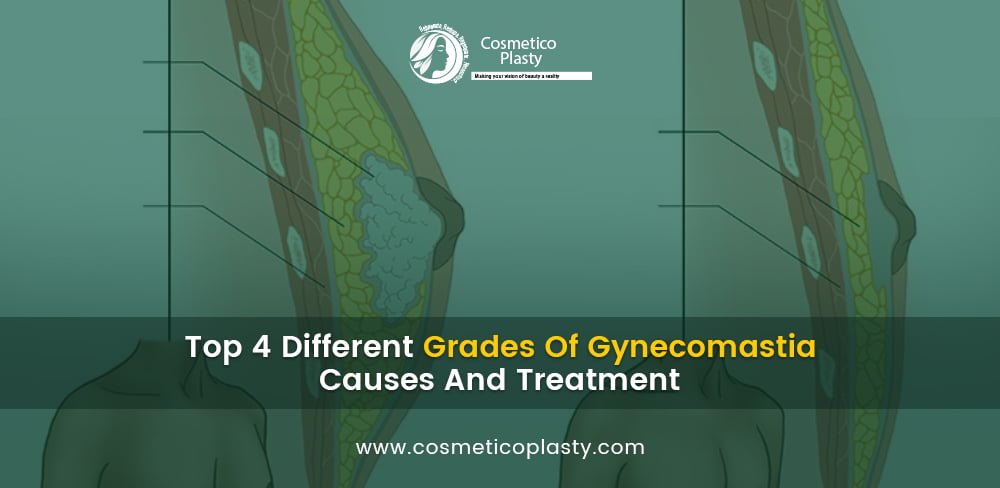
Understanding Gynecomastia Grades
Gynecomastia is classified into different grades based on the amount of breast tissue enlargement and skin excess. Understanding your grade helps determine the most effective surgical approach for achieving the best results.
- Grade 1 – Mild breast enlargement with small glandular tissue growth around the areola and no excess skin.
- Grade 2 – Moderate chest enlargement extending beyond the areola area, but without loose or sagging skin.
- Grade 3 – Moderate enlargement with visible excess skin, causing the nipple-areola area to appear less firm or slightly droopy.
- Grade 4 – Severe breast enlargement with significant excess skin, where the chest may resemble a more feminine breast shape.
Risks and Complications of Gynecomastia Surgery
Breast reduction surgery in males is generally safe when performed by an experienced surgeon, but like any surgical procedure, it carries some potential risks.
Here are some risks and complications;
- Minor swelling and bruising that go away within 2-3 weeks.
- Infection occurs rarely but is curable with proper care.
- Scarring is unnoticeable and hides under the areola border.
- Slight asymmetry may occur, but it is uncommon with expert surgeons.
When you choose Prof. Dr. Mustehsan Bashir, risks and complications are significantly minimized after following the aftercare instructions and attending regular follow-ups.
What Causes of Gynecomastia Surgery?
Enlarged breasts in males usually happen when there is a hormonal imbalance between testosterone and estrogen in the body. When testosterone levels drop, or estrogen levels rise, excess breast tissue can begin to develop in men.
Common Causes of Gynecomastia
- Hormonal Imbalance: Changes in the testosterone and estrogen levels lead to breast tissue growth.
- Puberty: Hormonal changes during teenage years can cause temporary breast enlargement, which often improves naturally over time.
- Obesity or Weight Gain: Excess body fat can increase estrogen production, contributing to chest enlargement.
- Medications: Certain medicines, including steroids, antidepressants, and hormone, related medicines, may trigger gynecomastia.
- Underlying Health Conditions: Liver, kidney, thyroid, or hormonal disorders can sometimes contribute to breast tissue growth.
- Ageing: Natural hormonal changes with age can increase the likelihood of gynecomastia in older men.
- Drugs & Alcohol: These can disrupt hormones and increase the risk of developing enlarged breast tissue.
Why Choose Professor Dr. Mustehsan Bashir for Gynecomastia Surgery?
Choosing the right surgeon is essential for safe treatment, natural-looking results, and long-term confidence. At Cosmeticoplasty, patients receive international-standard care and committed results because;
- Pakistan’s only PhD Plastic Surgeon: Prof. Dr. Mustehsan Bashir, with exceptional qualifications, offers advanced surgical expertise.
- Proven Surgical Techniques: Modern methods, including liposuction and gland excision, are used for precise chest contouring and ideal results.
- Personalized Treatment Plans: Every procedure is tailored according to the patient’s gynecomastia grade, body type, and desired outcome.
- Safe & Hygienic Surgical Facilities: Procedures are performed in high-standard operation facilities for maximum safety.
- Proven Patient Satisfaction: Consistent long-term results and positive patient experiences reflect a commitment to quality care.
Aesthetic Treatments
We Offer at Cosmeticoplasty
Educational Resources for Patients
FAQ’s
Q: How much does gynecomastia surgery cost in Lahore?
The cost of gynecomastia surgery in Lahore varies depending on the severity of the condition, surgical technique, and surgeon’s expertise.
Q: What is the difference between gynecomastia and pseudo-gynecomastia?
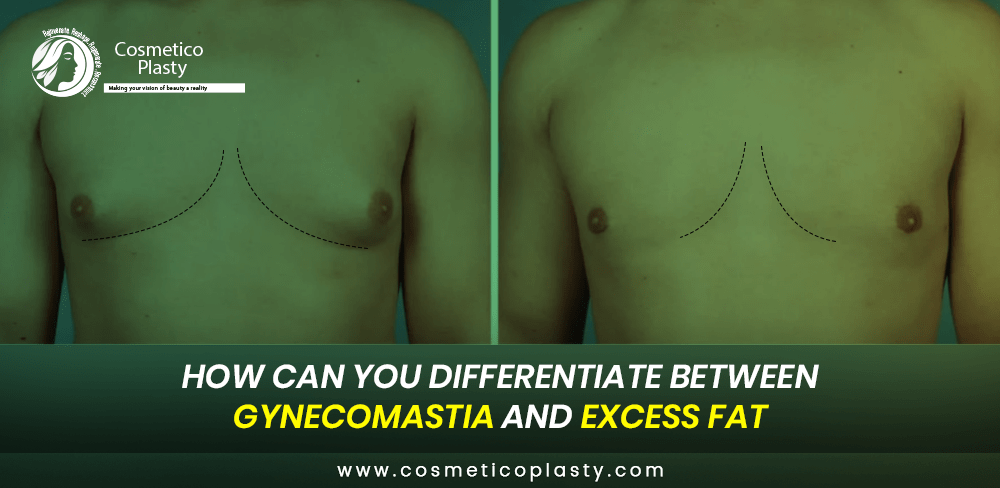
Gynecomastia is caused by excess glandular breast tissue, while pseudo-gynecomastia is mainly due to excess chest fat. Proper diagnosis is important for the treatment.
Q: Which grade of gynecomastia requires surgery?
Surgery is typically recommended for moderate to severe grades or when excess tissue does not improve with lifestyle changes.
Q: How risky is gynecomastia?
Gynecomastia itself is usually not dangerous, but it can sometimes indicate hormonal imbalances or underlying health concerns. Surgical treatment is generally safe when performed by an experienced surgeon.
Q: How long does gynecomastia surgery take?
Gynecomastia surgery usually takes around 1 to 3 hours, depending on the complexity of the procedure. Most patients can return home the same day.
Q. Will there be visible scars after surgery?
Small scars are possible, but surgeons place incisions carefully to minimize visibility. With proper healing, scars often fade significantly over time.
Q: Can gynecomastia come back after surgery?
Results are usually long-lasting if weight remains stable and underlying hormonal issues are controlled. However, recurrence is possible in certain cases.
Q: What are the common symptoms of gynecomastia?
Common symptoms include enlarged chest tissue, puffy nipples, chest tenderness, or an uneven chest appearance. Some individuals may also experience emotional discomfort or reduced confidence.